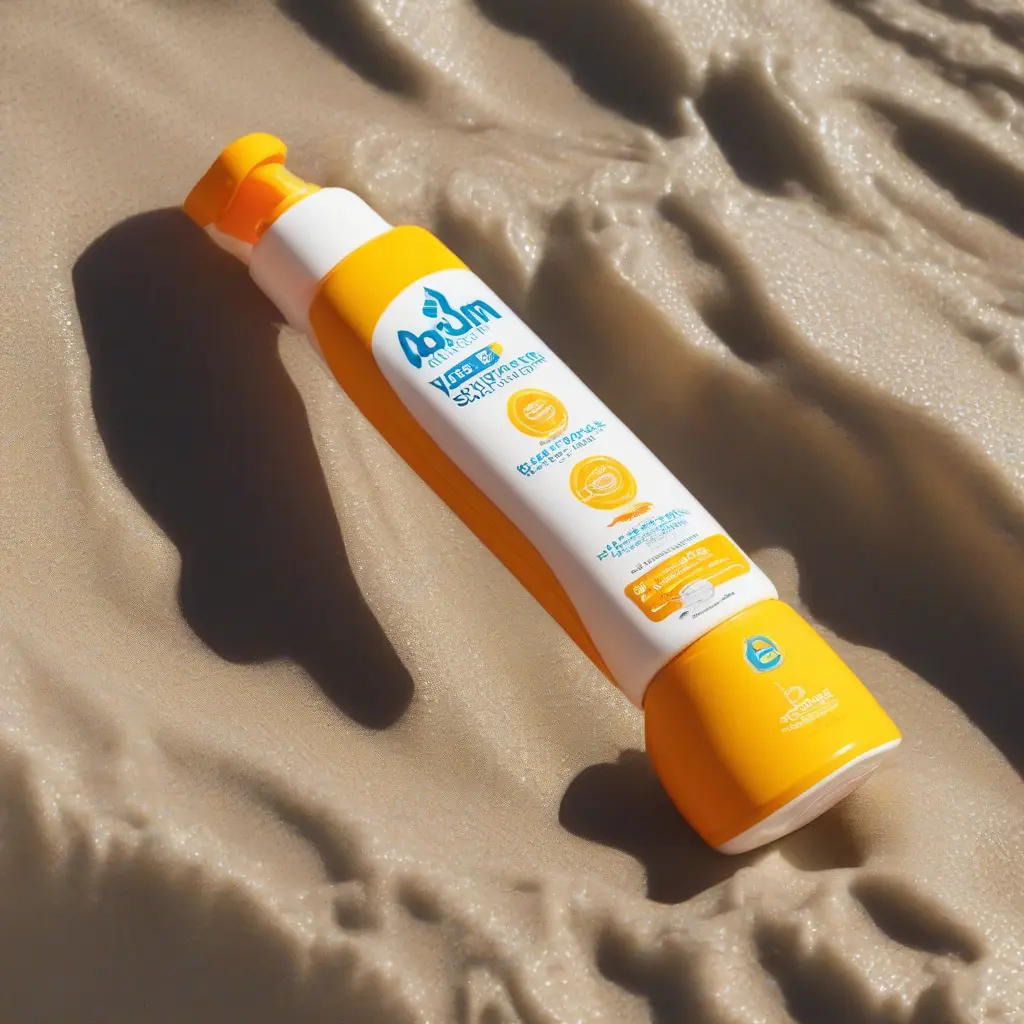
When it comes to enjoying outdoor activities, choosing the right waterproof sunscreen is essential for protecting your skin from harmful UV rays. An ideal sunscreen not only provides sun protection but also withstands sweat, water, and prolonged sun exposure. This guide outlines key factors to consider when selecting a waterproof sunscreen specifically designed for active lifestyles, helping you maintain optimal skin health while enjoying your favorite sports and adventures.
Understanding SPF and Its Importance
The Sun Protection Factor (SPF) indicates the level of protection a sunscreen provides against UVB rays, which can cause sunburn and skin damage. For active lifestyles, experts recommend choosing a sunscreen with an SPF of at least 30. This rating offers a good barrier against harmful rays and allows for up to 97% UVB protection. Additionally, consider broad-spectrum formulas that protect against both UVA and UVB rays. This helps reduce the risk of premature aging and skin cancer, ensuring that your skin stays healthier for longer.
Water Resistance: The Key to Active Protection
Water resistance is a crucial factor when selecting sunscreen for an active lifestyle. Look for products labeled ‘water-resistant’ which indicate they can withstand water or sweat for a specific duration, typically 40 or 80 minutes. This means you can engage in vigorous activities like swimming or running without the constant need to reapply. Be aware that even water-resistant sunscreens may wash off over time, so it’s wise to reapply regularly, especially after heavy sweating or swimming sessions.
Choosing the Right Formulation
Sunscreens come in various formulations, including lotions, creams, gels, and sprays, each with unique benefits. Lotions and creams are ideal for dry skin, providing moisturizing benefits. Gels are lighter and tend to absorb quickly, making them suitable for oily skin types. Sprays offer convenience and can be applied swiftly, but it’s crucial to ensure even coverage. Choose a formulation that aligns with your personal preference and skin type. Additionally, some formulations contain added skincare benefits, such as antioxidants, which can further protect your skin.
Sensitive Skin Considerations
For those with sensitive skin, selecting the right waterproof sunscreen is even more critical. Opt for mineral-based sunscreens containing zinc oxide or titanium dioxide, as they are less likely to cause irritation compared to chemical sunscreens. Avoid products with synthetic fragrances, parabens, or alcohol, as these can exacerbate sensitivity. Always perform a patch test on a small area of skin before applying the product more broadly. This approach helps ensure compatibility while rendering effective sun protection during outdoor activities.
The Importance of Reapplication
Reapplication is a vital step in effective sun protection, particularly during outdoor activities. Even the best waterproof sunscreens can wear off due to sweat, swimming, or towel-drying. It is recommended to reapply every two hours, or immediately after swimming or excessive sweating. Set reminders on your phone or leave the sunscreen in a visible spot to help you remember to reapply. This habit will enhance skin protection, reducing the chances of sunburn and long-term skin damage irrespective of the chosen sunscreen’s quality.
Additional Protective Measures
While waterproof sunscreen is an essential part of sun protection, it should be complemented by other safety measures for comprehensive skin care. Wearing protective clothing, such as long sleeves and hats, can offer additional barriers against UV rays. Sunglasses with UV protection are also crucial, as they shield your eyes and the sensitive skin around them. Whenever possible, plan outdoor activities during times when the sun’s rays are less intense, typically before 10 a.m. and after 4 p.m., to further minimize skin exposure.
Evaluating Product Reviews and Recommendations
Before purchasing a waterproof sunscreen, consider checking online reviews or recommendations from dermatologists and outdoor enthusiasts. Different users may provide insights on effectiveness, how well the sunscreen holds up during intense activities, and any skin reactions they experienced. Websites and forums focused on skincare or sports often offer reviews, tips, and user experiences that can guide your choice. This information will ensure you select a product that not only meets your lifestyle needs but also resonates with your skin’s specific characteristics.
Environmental Considerations
In recent years, environmental awareness has influenced sunscreen selection. Many conventional sunscreens contain harmful chemicals that can damage marine life, prompting users to seek eco-friendly options. Look for biodegradable formulations or those labeled as ‘reef-safe.’ These sunscreens avoid ingredients like oxybenzone and octinoxate, known for their environmentally harmful effects. Choosing sustainable sunscreen options allows you to protect not only your skin but also the earth while enjoying water-related activities.
Understanding Ingredients
Familiarizing yourself with sunscreen ingredients can significantly improve your selection process. Chemical sunscreens often absorb UV rays using compounds like avobenzone and octisalate, while physical (mineral) sunscreens contain zinc oxide and titanium dioxide, which serve as physical blockers. Each type has its unique mechanisms and benefits. By understanding how these ingredients work, along with their potential side effects, you can make a more informed decision tailored to your skin’s needs and the nature of your activities.
Conclusion
Choosing the right waterproof sunscreen for an active lifestyle involves understanding SPF levels, water resistance, formulation types, and skin sensitivity. By combining these factors and following best practices for application and reapplication, you can enjoy the great outdoors while effectively protecting your skin. Evaluate your options carefully, and don’t hesitate to try different products to find what works best for you. Prioritizing sun safety allows you to engage in activities you love without compromising on skin health.