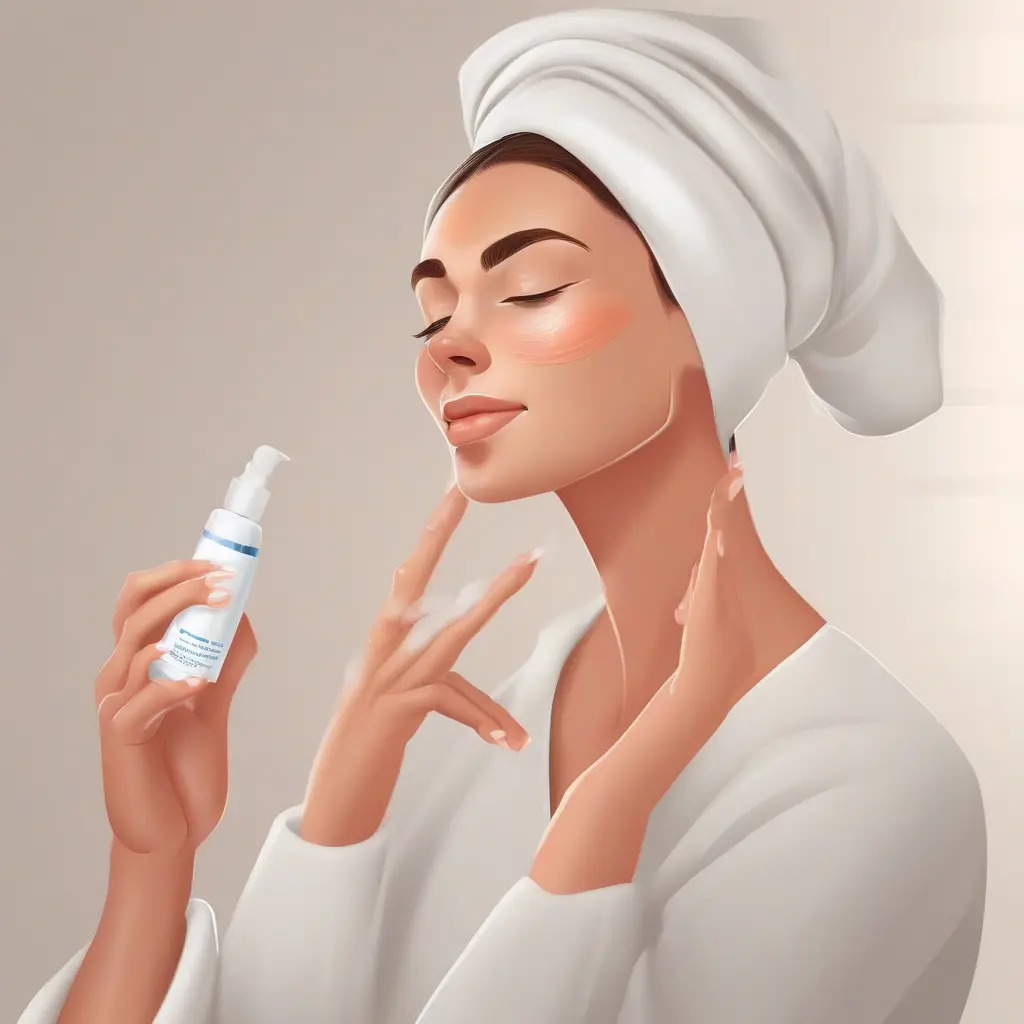
Moisturizing is a crucial step in any skincare routine, yet many people overlook the importance of proper application techniques. Understanding how to apply moisturizer effectively can ensure maximum absorption and provide the skin with the nourishment it needs. In this guide, we will explore the best methods, timing, and types of moisturizers to help you achieve optimal skin hydration. Whether you have dry, oily, or combination skin, following these tips will enhance your skincare results and leave you with a healthier, more radiant complexion.
Understanding Your Skin Type
Identifying your skin type is the first step in selecting the right moisturizer and application method. Skin types typically fall into four categories: oily, dry, combination, and sensitive. Oily skin tends to produce excess sebum, while dry skin lacks moisture. Combination skin features both oily and dry areas, and sensitive skin may react negatively to certain products. Knowing your skin type allows you to choose a moisturizer that suits your needs, ensuring that it absorbs effectively without causing irritation or discomfort.
Choosing the Right Moisturizer
Selecting the appropriate moisturizer is vital for maximum absorption and effectiveness. Look for ingredients like hyaluronic acid, glycerin, and ceramides, which are known for their hydrating properties. Oils can provide additional nourishment, while lightweight, non-comedogenic formulas are ideal for oily skin. Additionally, consider your specific needs; for instance, if you require extra hydration, opt for a cream-based product, whereas gel-based moisturizers work wonders for oily skin types. Researching ingredients and formulations will help you make an informed decision.
Timing Your Moisturizer Application
The timing of your moisturizer application plays a crucial role in maximizing effectiveness. Ideally, you should apply moisturizer immediately after cleansing your skin to lock in moisture. After washing your face or showering, the skin is still damp and can absorb the product more effectively. Additionally, consider applying moisturizer twice a day—once in the morning and once at night—to maintain hydration levels. This practice ensures that your skin stays nourished throughout the day and night, leading to improved overall skin health.
Preparing Your Skin for Moisturizer
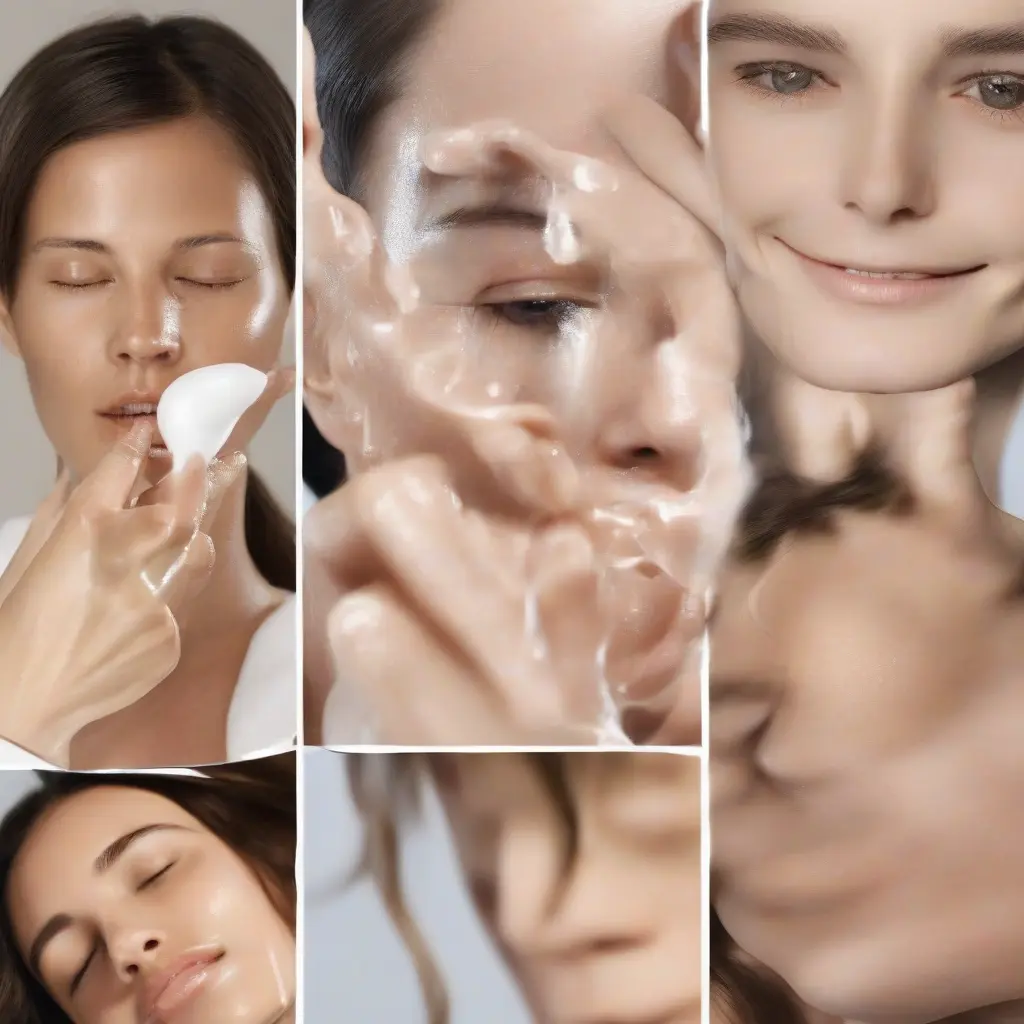
Preparing your skin before applying moisturizer can significantly enhance absorption. Start by gently cleansing your face with a mild cleanser to remove dirt and impurities. Following this, exfoliating the skin once or twice a week will help remove dead skin cells, allowing for better penetration of moisturizing products. Using a hydrating toner can also help prep the skin, as it restores pH balance and adds an additional layer of hydration. These preparatory steps create an optimal environment for your moisturizer to perform effectively.
Applying Moisturizer Correctly
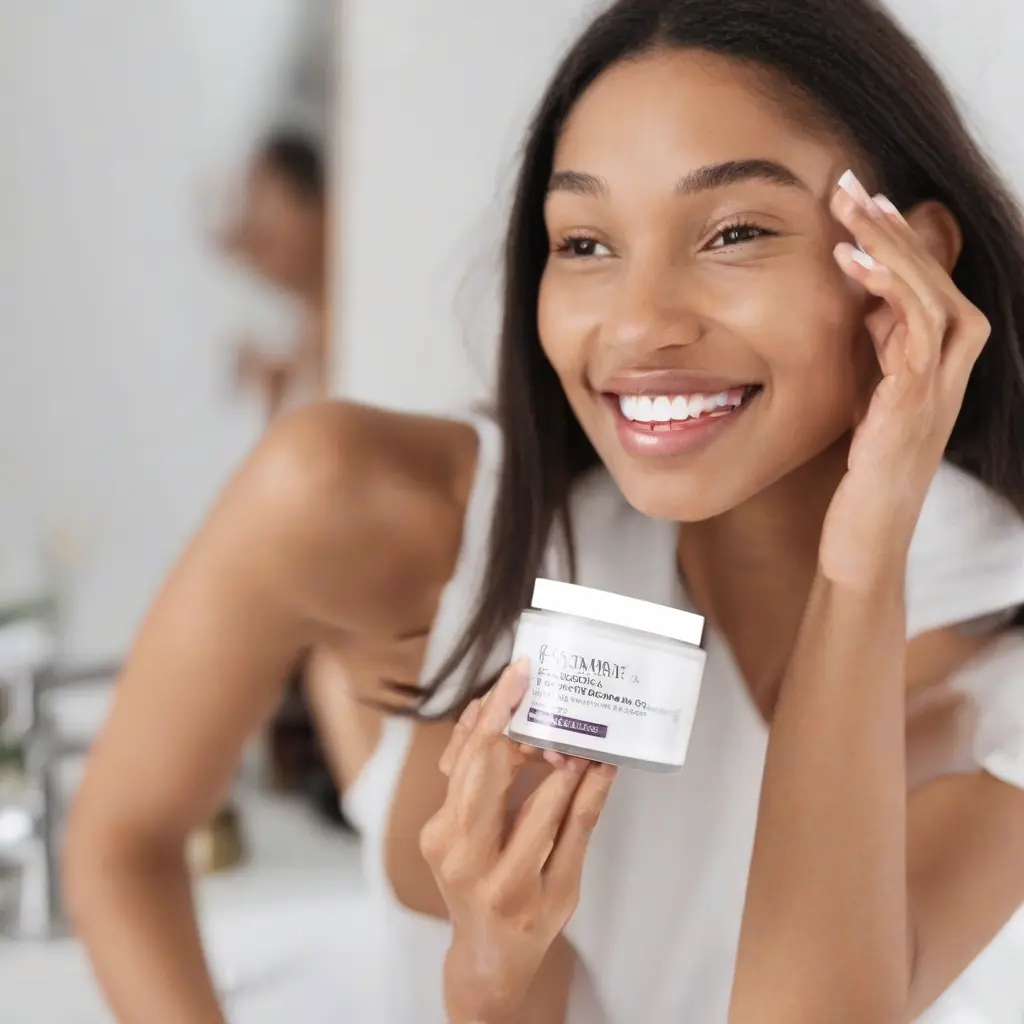
Proper application techniques are essential for maximizing the effectiveness of your moisturizer. Begin by using a small amount, typically a pea-sized amount for the face, to avoid overapplying. Gently massage the product into your skin using upward circular motions, which helps stimulate circulation and promotes absorption. Always remember to cover all areas, including the neck and décolletage. Avoid harsh rubbing, as this can irritate the skin and reduce moisture retention. Patting the product into the skin can also be effective for promoting absorption.
The Importance of Layering Products
Layering products in your skincare routine can improve the effectiveness of your moisturizer. Start by applying serums or treatments before moisturizing, as they typically contain concentrated ingredients that can penetrate the skin better. For example, after cleansing and toning, use a hydrating serum rich in antioxidants followed by your moisturizer. This ensures that your skin benefits from both the active ingredients in the serum and the hydration from the moisturizer. The right layers can enhance overall skin health and maximize moisture retention.
Seasonal Considerations for Moisturizer Use
The season can significantly impact your skin’s hydration needs, making it essential to adjust your moisturizer accordingly. During winter months, the cold air and heating systems can strip moisture from the skin, necessitating heavier, cream-based moisturizers. Conversely, in the summer, lighter gel formulations may be more suitable as they provide hydration without feeling greasy. Keep an eye on how your skin reacts to the changing seasons and modify your products to ensure tailored moisture levels year-round.
Common Mistakes to Avoid
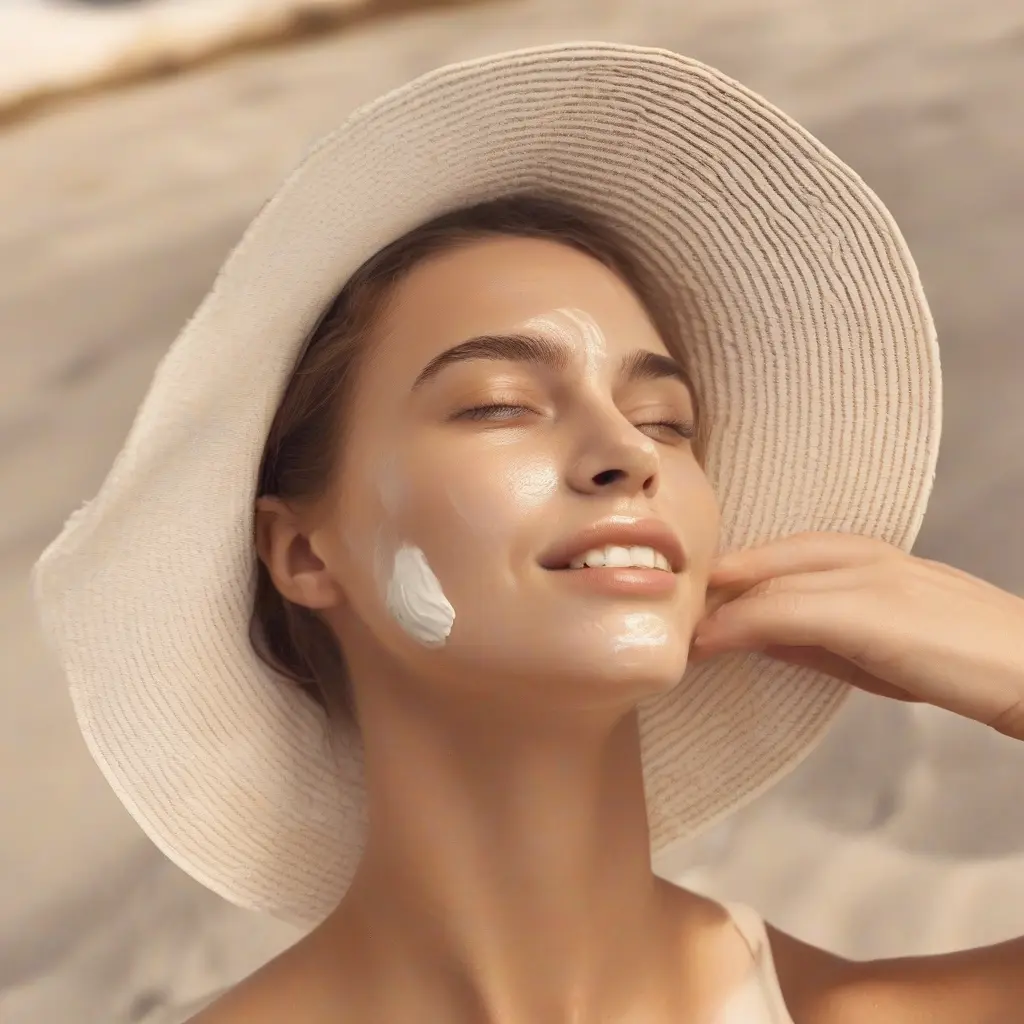
Several common mistakes can hinder the effectiveness of your moisturizer. One frequent error is applying too little product, which may not provide adequate hydration. Conversely, over-applying can clog pores and lead to breakouts. Additionally, skipping sunscreen after moisturizing can leave your skin vulnerable to sun damage. Neglecting to adjust your moisturizers based on seasonal changes can also compromise hydration levels. Being mindful of these pitfalls will help you achieve better skin health and make the most out of your moisturizer.
Hydration from Within
While topical hydration is crucial, internal hydration plays an equally important role in achieving healthy skin. Drinking sufficient water throughout the day helps maintain skin moisture levels and enhances elasticity. Moreover, incorporating water-rich foods, such as fruits and vegetables, can further aid in hydration. Consider reducing caffeine and alcohol consumption, as these can lead to dehydration. A holistic approach to hydration—combining both topical application and internal hydration—will lead to more significant improvements in skin health.
Conclusion
Properly applying moisturizer is essential for maximizing skin absorption and maintaining a healthy complexion. By understanding your skin type, choosing the right product, and following effective application techniques, you can enhance your skincare routine significantly. Remember to consider seasonal changes and internal hydration to support your skin’s needs effectively. With these strategies, you’ll achieve noticeable results and a rejuvenated appearance.