Understanding how to effectively layer skincare products post-face wash is essential for achieving optimal skin health. Proper layering ensures that each product can be absorbed effectively and that they work synergistically to treat various skin concerns. It involves knowing the order in which products should be applied, whether they are creams, serums, or treatments. This guide will walk you through the essential steps, providing insights into what types of products to use and how each one can benefit your skin.
Importance of Cleansing Your Skin
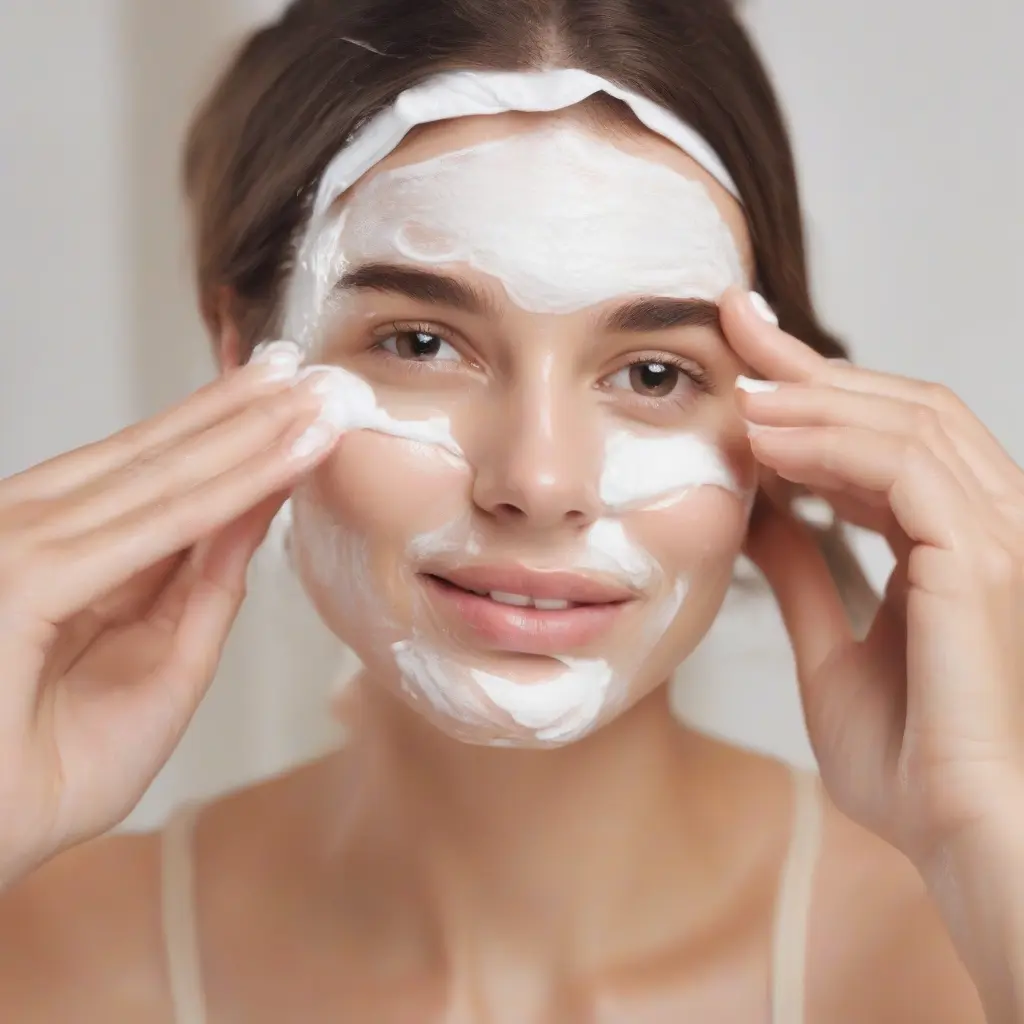
Cleansing is the foundation of any skincare routine, as it removes dirt, oil, and makeup that can accumulate throughout the day. By starting with a clean slate, the efficacy of subsequent skincare products is enhanced. A thorough cleanse prevents breakouts and helps with better absorption of serums and moisturizers, while also preparing your skin for hydration and treatment. Without proper cleansing, layers of products can trap impurities, leading to clogged pores and a compromised skin barrier.
Choosing the Right Face Wash
Selecting an appropriate face wash is crucial for maintaining skin health and ensuring the success of your skincare routine. Opt for a cleanser that matches your skin type, whether it be oily, dry, or combination skin. Ingredients like salicylic acid work wonders for oily skin, while cream-based cleansers are ideal for dry skin types. Make sure to avoid harsh ingredients that can strip the skin of its natural oils, as these can exacerbate dryness and irritation, hindering the effectiveness of other products in your regimen.
The Role of Toners
After cleansing, the next effective step is applying a toner. Toners help restore the skin’s pH balance, which can be disrupted after washing, especially with certain face washes. They can also provide an extra layer of hydration and remove any residual impurities left behind. Look for toners with hydrating ingredients like glycerin or hyaluronic acid, or specific treatments like exfoliating acids if you wish to clarify or brighten your complexion. This step enhances the penetration of subsequent products, making your layering routine more effective.
Using Serums Effectively
After applying toner, serums should be the next step in your skincare layering. Serums are typically lightweight and highly concentrated with active ingredients, such as vitamins and antioxidants, designed to target specific skin concerns like fine lines or dark spots. Apply a few drops onto your palm and gently press it into your skin for better absorption. Depending on your skin needs, you can choose hydrating serums, brightening formulas, or those with anti-aging properties to achieve your desired goals.
Moisturizers and Their Benefits
Following serums, the next layer is the moisturizer, which provides essential hydration and locks in the benefits of the previous products. Moisturizers come in various forms, from creams to gels, and selecting one should depend on your skin type. For dry skin types, thicker creams that provide ample hydration are ideal, while oil-free gels are better suited for oily skin. A well-chosen moisturizer ensures your skin remains supple and smooth throughout the day, while also protecting it from environmental damage.
Sunscreen: Your Daily Defense
The final essential step in the morning routine is applying sunscreen, which is crucial for protecting your skin from harmful UV rays. Even if you don’t plan to spend much time outdoors, UV exposure can occur, making sunscreen a non-negotiable step. Opt for a broad-spectrum sunscreen with at least SPF 30 and reapply throughout the day as needed. Apply sunscreen generously over your moisturizer to ensure optimal protection. It not only helps prevent sun damage but also combats signs of aging caused by UV exposure.
Adjusting Your Routine for Nighttime
Your skincare layering process may require adjustments for your nighttime routine, where you can focus on healing and repair. At night, the absence of sunlight allows your skin to regenerate. You can incorporate treatments like retinol or exfoliating acids to promote cell turnover while also using richer creams for hydration. Depending on your skin concerns, this is the time to apply heavier treatments that can penetrate the skin without the interference of sunscreen, enhancing repair while you sleep.
Paying Attention to Ingredients
When layering skincare products, it’s essential to consider ingredient compatibility as some can negatively interact when used together. For instance, combining retinol with vitamin C can lead to irritation, while the pairing of hyaluronic acid with heavier oils can be counterproductive. Always read the product labels and seek ingredients that complement each other. Being aware of the active ingredients ensures that each layer contributes positively to your skin’s health instead of causing breakouts or irritation.
Route to Consistency
Consistency is key to achieving desired skincare results. Establishing a routine that you can commit to daily helps reinforce the skin’s barrier and enhances its resilience. Try to follow the same steps morning and night, adjusting product types based on your skin’s needs. Keeping a skincare journal to track the effects can also provide insights into what works best for you. Remember, results take time, and developing a consistent layering habit will be rewarding in maintaining healthy, beautiful skin.
Conclusion
Layering skincare products effectively after using a face wash is vital for maximizing the benefits of each product. Following a structured routine not only enhances product absorption but also addresses specific skin concerns efficiently. By understanding the importance of each step and ingredient, individuals can optimize their skincare regimen for healthier, more radiant skin.