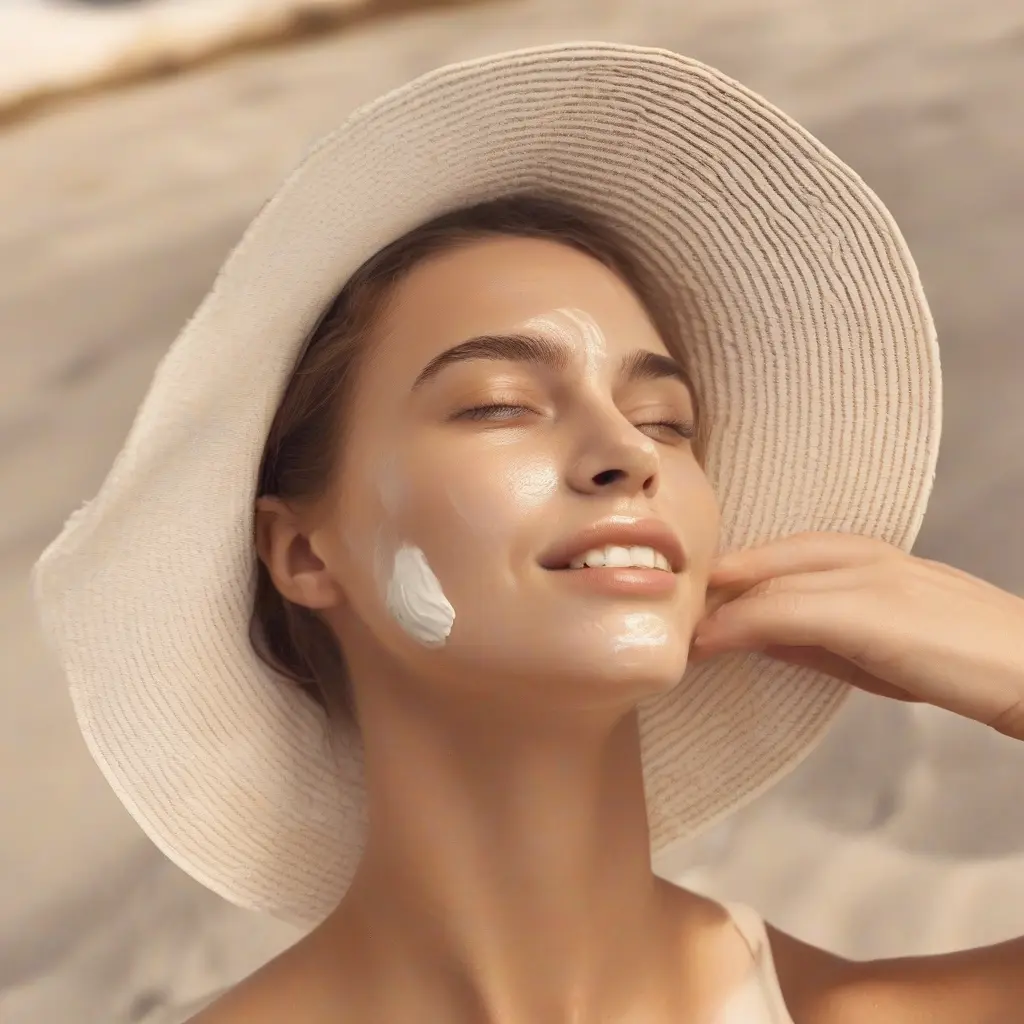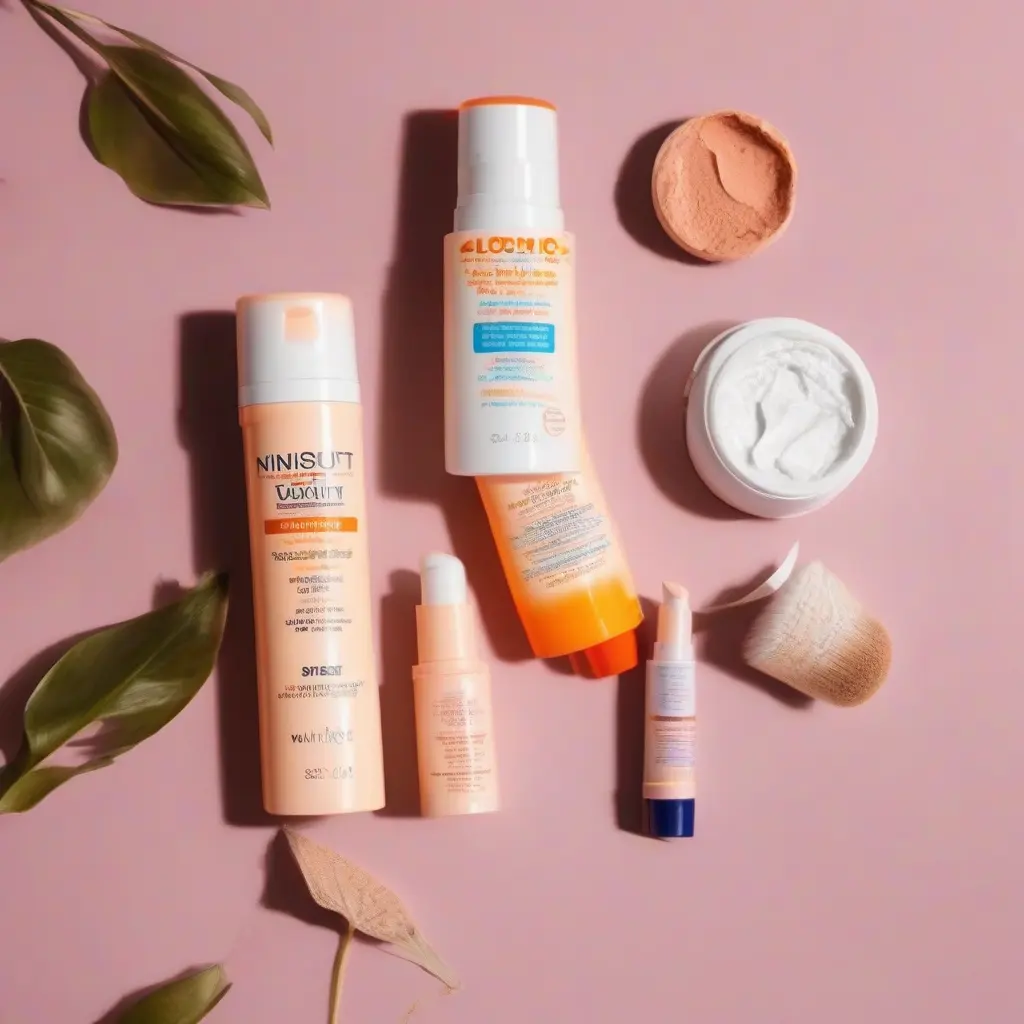
Finding the right sunscreen for daily use, especially when applying makeup, can significantly impact your skin’s health and appearance. Sunscreen is an essential part of any skin care routine, protecting against harmful UV rays, while makeup can sometimes interfere with its effectiveness. This comprehensive guide will explore the best sunscreens that blend seamlessly under makeup, ensuring your skin stays protected and looks flawless throughout the day.
Importance of Sunscreen in Daily Skincare Routine
Sunscreen is vital in any daily skincare routine, as it helps shield the skin from harmful UV rays that can lead to premature aging, skin damage, and skin cancer. Daily use of sunscreen promotes healthier skin by preventing dark spots and maintaining an even skin tone. Its protective properties are essential regardless of the weather or season, emphasizing the need for a broad-spectrum product that offers adequate protection against both UVA and UVB rays.
Choosing the Right Sunscreen Formulation
When selecting a sunscreen for use under makeup, consider factors like your skin type and formulation. For oily or acne-prone skin, opt for lightweight, oil-free formulas that won’t clog pores. Dry skin types may benefit from hydrating sunscreens with moisturizing ingredients. Additionally, look for products labeled ‘non-comedogenic’ to minimize the risk of breakouts while ensuring the sunscreen absorbs quickly and provides a matte finish suitable for makeup application.
Physical vs. Chemical Sunscreens
Understanding the difference between physical and chemical sunscreens is crucial in choosing the right one. Physical sunscreens use mineral ingredients like zinc oxide or titanium dioxide to create a barrier on the skin, reflecting UV rays. They tend to be less irritating and are excellent for sensitive skin. Chemical sunscreens, on the other hand, absorb UV rays using organic compounds. Both types have unique benefits, so consider your skin sensitivity and preference when making a choice.
SPF and Its Significance
The Sun Protection Factor (SPF) is a critical consideration when selecting a sunscreen. Generally, dermatologists recommend using a broad-spectrum sunscreen with at least SPF 30 for daily use, as it blocks about 97% of UVB rays. Higher SPF provides additional protection; however, no sunscreen can offer 100% protection. It’s essential to apply enough product—typically about a shot glass worth for full-body coverage—and to reapply every two hours, or more frequently if swimming or sweating.
Popular Sunscreens That Layer Well Under Makeup
Several sunscreens have gained popularity among makeup enthusiasts for their ability to function well under cosmetics. Options like EltaMD UV Clear Broad-Spectrum SPF 46, which is lightweight and formulated for acne-prone skin, offer excellent protection without leaving a greasy residue. Another favorite is the Neutrogena Hydro Boost Water Gel Lotion SPF 30, which provides hydration and absorbs quickly, creating a smooth base for makeup application. These products are ideal for daily wear, combining effective protection with a makeup-friendly finish.
Using Sunscreen Before Makeup Application
To maximize sunscreen effectiveness, apply it as the last step in your skincare routine before makeup. Allow it to fully absorb into your skin, usually about 15 minutes, to ensure it forms a protective barrier. For those using makeup primer, choose one that is compatible with your sunscreen, as some primers may not work well with certain formulations, leading to pilling. Finally, consider carrying a sunscreen spray or powder for easy reapplication throughout the day, especially if you wear makeup.
Makeup Products with SPF
Many makeup products now include SPF, offering additional sun protection. While these products can be beneficial, they should not replace a dedicated sunscreen. Instead, they work best as an added layer of protection, particularly for touch-ups throughout the day. Products like tinted moisturizers or foundations with SPF can integrate seamlessly into your routine, providing both coverage and sun protection, but it’s essential to verify their SPF rating to ensure it meets recommended levels.
Tips for Applying Sunscreen Under Makeup
Applying sunscreen effectively under makeup is crucial for achieving both protection and a flawless finish. Begin with clean, moisturized skin, applying sunscreen liberally and evenly to all exposed areas. After allowing it to absorb, consider using a translucent setting powder to reduce any shine and create a smooth canvas. If your makeup looks heavy or oily throughout the day, carrying blotting papers can help freshen your look without disturbing your sunscreen.
Common Myths About Sunscreen
Misconceptions about sunscreen can lead to ineffective protection. A prevalent myth is that darker skin tones do not need sunscreen; however, UV damage is a risk for everyone, regardless of skin color. Another common myth is that sunscreen is unnecessary on cloudy days, which is false, as UV rays can penetrate through clouds. Understanding these myths helps ensure that everyone can maintain a proper sun protection regimen, enhancing overall skin health.
Consulting a Dermatologist for Personalized Advice
For those uncertain about which sunscreen to choose or facing specific skin concerns, consulting a dermatologist can provide tailored advice. Dermatologists can recommend products suited to your skin type and any pre-existing conditions, ensuring you receive adequate sun protection. They can also guide on the latest advancements in sun care and discuss any potential interactions with existing skincare or medication routines, offering peace of mind for your sunscreen choices.
Conclusion
Selecting the best sunscreen for daily use under makeup involves understanding formulations, ingredients, and specific skin needs. The right sunscreen not only protects your skin from UV damage but also enhances makeup application, ensuring a smooth and flawless look. By incorporating a suitable broad-spectrum sunscreen into your routine, along with makeup options containing SPF, you can achieve optimal skin health and protection.