Moisturizing is a crucial step in any skincare routine, but many people struggle with determining the right amount to use. Applying too much or too little moisturizer can lead to a range of skin issues, from dryness to clogged pores. Understanding your skin type, the ingredients in your moisturizer, and the environmental factors at play can help you avoid common mistakes. This article explores various moisturizing errors, their impact on your skin, and practical tips to achieve optimal hydration.
Understanding Different Skin Types
Before diving into moisturizing practices, it’s essential to understand your skin type. Skin can be categorized into four main types: oily, dry, combination, and sensitive. Each type requires different moisturizing tactics. For instance, oily skin may benefit from lightweight, oil-free lotions, while dry skin often needs richer creams. Recognizing your skin’s specific needs is the first step toward selecting the right moisturizer and applying an appropriate amount to avoid issues like excess oil or dry patches.
Identifying the Right Moisturizer
Choosing the right moisturizer is vital for maintaining skin health. Ingredients such as hyaluronic acid offer hydration, while ceramides help strengthen the skin barrier. If you’re prone to breakouts, opt for non-comedogenic products that won’t clog pores. For sensitive skin, avoid fragrance and alcohol-based formulations that can exacerbate irritation. Identifying a moisturizer that suits your skin type and addressing specific concerns is the foundation for effective hydration.
Common Moisturizing Mistakes
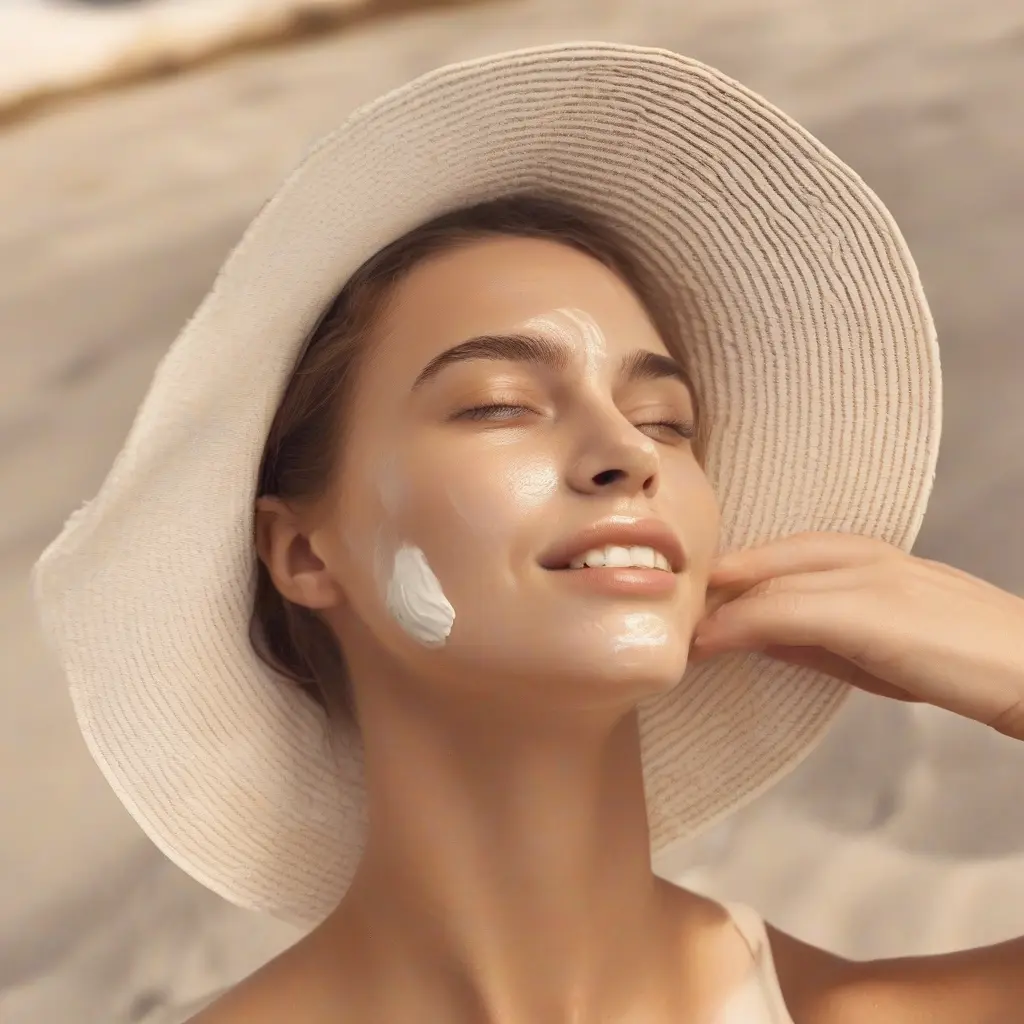
One of the biggest mistakes people make is using the wrong amount of moisturizer. Applying too little may leave skin feeling dry and tight, while using too much can make the skin oily and prone to breakouts. Understanding how much product to apply can help ensure your skin remains balanced. A general guideline is to use a nickel-sized amount for the face, adjusting based on personal comfort and skin response.
The Importance of Application Technique
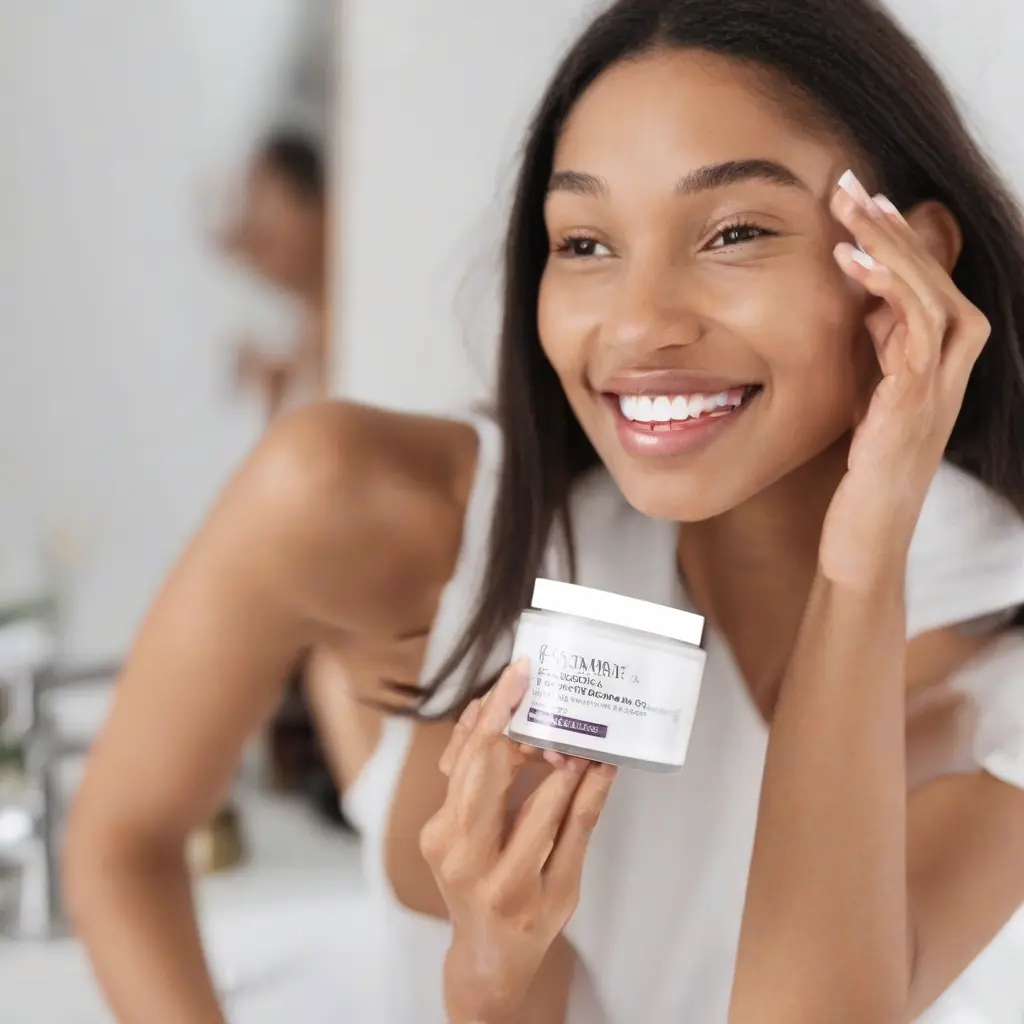
How you apply your moisturizer is just as important as the product itself. Many people rub moisturizer into their skin aggressively, which can cause irritation and redness. Instead, gently pat or press the product into your skin, allowing it to absorb effectively. This technique not only promotes hydration but also enhances blood circulation. Proper application can maximize the benefits of your moisturizer and contribute to a healthier complexion.
Timing Your Moisturizer Application
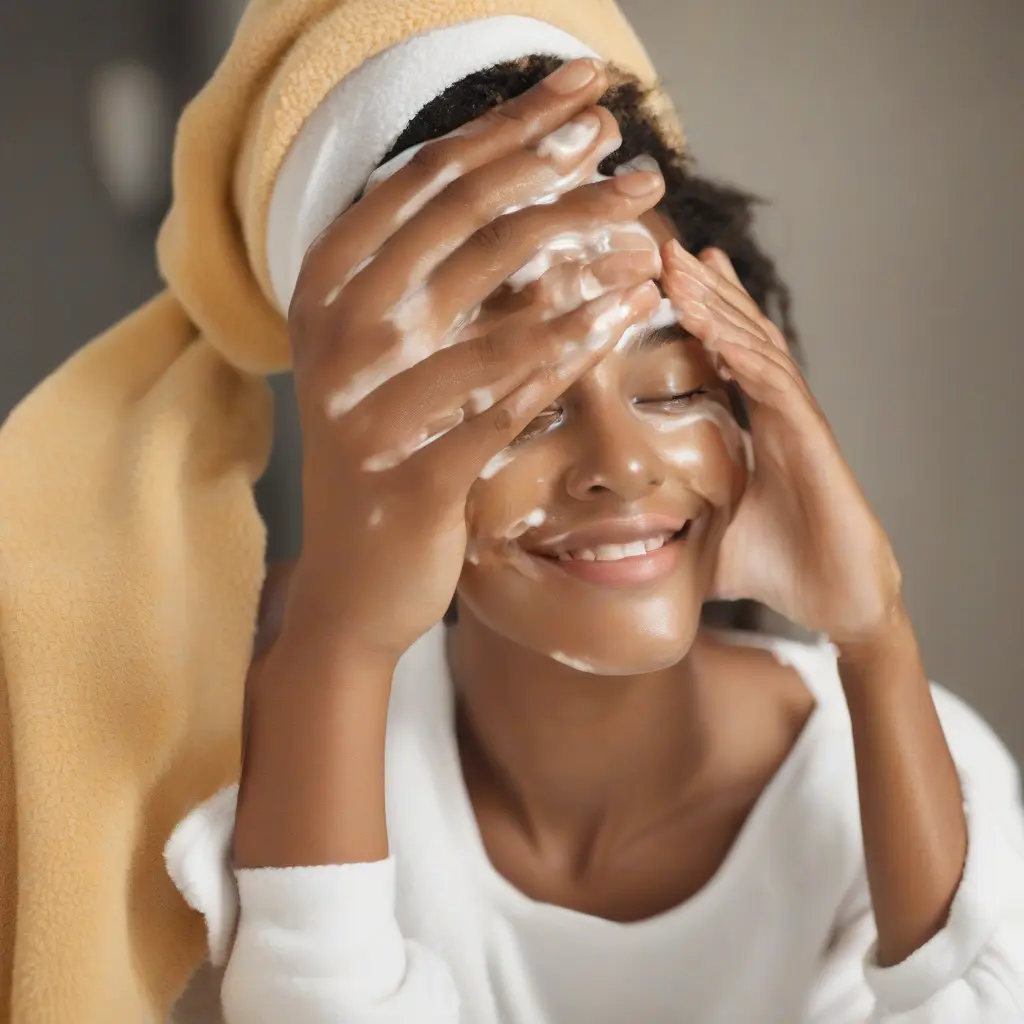
The timing of your moisturizer application plays a crucial role in its effectiveness. It’s best to apply moisturizer shortly after cleansing your skin, while it is still damp. This traps moisture in the skin and creates a hydration barrier. Applying moisturizer at night before bed is also beneficial, as it allows deeper penetration of active ingredients. Being mindful of when you apply your moisturizer can enhance its effectiveness and improve skin hydration.
Layering Moisturizers: Is It Necessary?
Layering moisturizers can be beneficial, but it is not always necessary. Adding a serum or hydrating mist underneath your regular moisturizer can boost hydration for those with dry skin. However, those with oily skin types may find that layering causes a greasy feeling. It’s important to experiment and determine what works best for your unique skin type and concerns. Understanding the necessity of layering can help you create a personalized skincare routine.
Seasonal Changes and Moisturizing Needs
Seasonal changes can impact your skin’s hydration needs significantly. In winter, the skin tends to lose more moisture due to dry air and cold winds, necessitating a heavier moisturizer. Conversely, in summer, lightweight, oil-free formulations might be preferable to prevent excess shine and clogged pores. Staying attuned to how your skin responds to seasonal changes can help you adjust your moisturizing routine for optimal skin health.
Hydration from Within: The Role of Water
While topical moisturizers are important, hydration also starts from within. Drinking an adequate amount of water is essential for maintaining healthy skin. Dehydration can lead to dryness and a dull complexion, so ensure you’re consuming enough fluids throughout the day. Aiming for at least eight glasses of water daily can support overall skin health and complements your external moisturizing efforts effectively.
Recognizing Signs of Over-Moisturization
Over-moisturizing, though less common, can lead to skin issues such as breakouts, clogged pores, and a greasy surface. Signs of over-applying moisturizer include a shiny appearance and constant irritation. Recognizing these signs is crucial; if you suspect you are over-moisturizing, consider reducing the amount and frequency of application. Adjusting your moisturizing habits can result in a clearer and more balanced complexion.
Consulting with a Dermatologist
If you’re struggling with choosing the right moisturizer or determining the proper amount to use, consulting a dermatologist can provide valuable insights. Dermatologists can offer personalized recommendations based on skin type, concerns, and lifestyle factors. Whether you’re facing persistent dryness, irritation, or breakouts, professional advice can guide you toward effective solutions tailored to your skin’s needs.
Conclusion
Finding the right balance in your moisturizing routine is key to achieving healthy, hydrated skin. Understanding your skin type, selecting the appropriate product, and applying it correctly are all equally important. By avoiding common moisturizing mistakes and adjusting for individual needs, you can foster a more radiant complexion. Investing time into your moisturizing habits can lead to significant improvements in skin health over time.