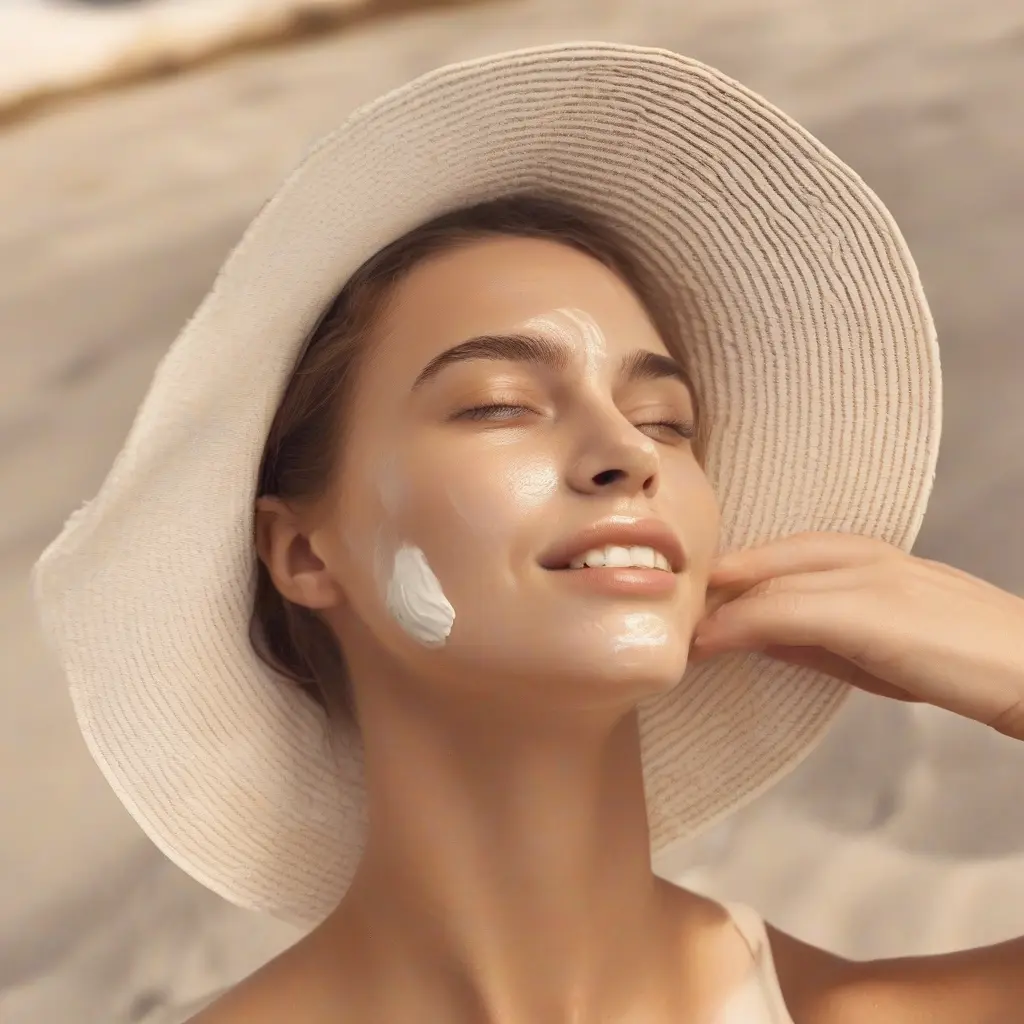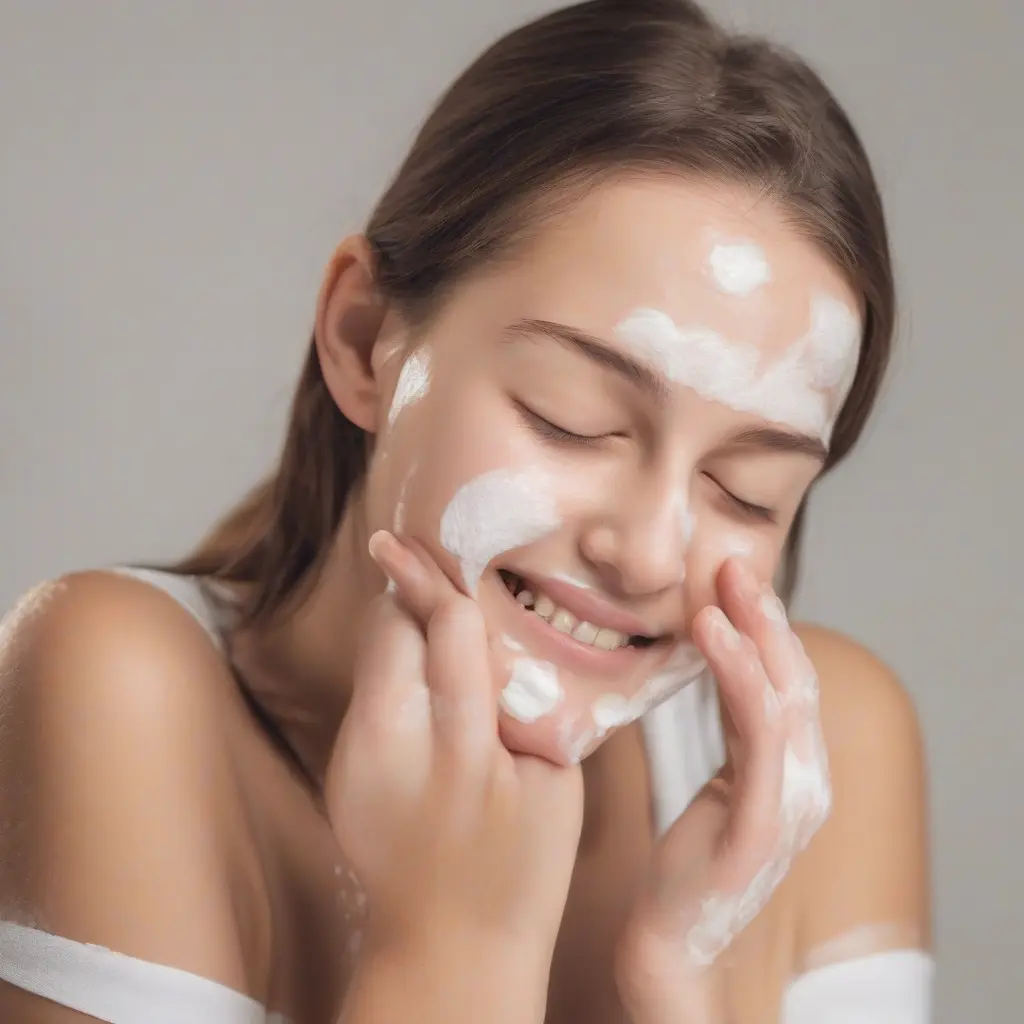
Moisturizers play a critical role in managing and preventing eczema outbreaks by providing essential hydration and creating a protective barrier on the skin. Eczema, a chronic inflammatory skin condition, leads to symptoms such as dryness, redness, and itchiness. The use of effective moisturizers can alleviate these symptoms by restoring the skin’s natural moisture levels and enhancing its barrier function. By incorporating a suitable moisturizer into a daily skincare routine, individuals prone to eczema can reduce flare-ups and enjoy healthier skin. This article delves into the various ways moisturizers contribute to preventing eczema outbreaks.
Understanding Eczema and Its Triggers
Eczema, or atopic dermatitis, is a condition characterized by inflamed and irritated skin, often triggered by allergens, irritants, or environmental factors. Common triggers include dust mites, pet dander, and certain fabrics. Additionally, stress and changes in temperature can exacerbate symptoms. Understanding these triggers is vital for managing eczema effectively. By identifying and minimizing exposure to triggers, individuals can help manage their condition better. Incorporating moisturizing products specifically designed for sensitive skin can also mitigate the impact of these irritants, promoting skin comfort and reducing the risk of eczema flare-ups.
The Importance of Hydration for Eczema-Prone Skin
Hydration is essential for all skin types, but it is particularly vital for eczema-prone skin. Moisturizers help to lock in water and maintain optimal skin hydration levels. When skin is adequately hydrated, it can better defend against environmental stressors and irritants that may trigger eczema outbreaks. Moreover, hydrated skin appears smoother and is less likely to crack or become inflamed. A consistent moisturizing regimen can significantly improve skin elasticity and overall texture, leading to a healthier appearance. Choosing moisturizers with ingredients that promote long-lasting hydration can further enhance these benefits.
Key Ingredients to Look for in Moisturizers
When selecting a moisturizer for eczema-prone skin, certain ingredients can provide additional benefits. Look for products containing ceramides, which help restore the skin’s natural barrier and lock in moisture. Glycerin is another effective humectant that draws water into the skin, providing deeper hydration. Additionally, natural oils, such as jojoba or sunflower oil, can provide anti-inflammatory properties and soothe irritation. Fragrance-free options are often recommended to minimize the risk of allergic reactions. Utilizing moisturizers enriched with these essential ingredients can make a significant difference in managing eczema symptoms.
Establishing a Moisturizing Routine
Creating a consistent moisturizing routine is crucial for individuals with eczema. Ideally, moisturizers should be applied immediately after bathing while the skin is still damp, as this can help trap moisture more effectively. It is beneficial to apply moisturizers multiple times throughout the day, particularly on areas that tend to dry out quickly. Additionally, incorporating thicker creams or ointments at night can provide optimal hydration while sleeping. Establishing a routine that prioritizes regular moisturizing can help reduce flare-ups and promote healthier skin over time.
Moisturizers vs. Corticosteroids for Eczema Management
While topical corticosteroids are often prescribed to manage eczema flare-ups, moisturizers can complement their effectiveness. Corticosteroids help reduce inflammation and itchiness during acute episodes, but overuse can lead to skin thinning and other adverse effects. In contrast, moisturizers work to maintain skin hydration and barrier function, which can help minimize the frequency and severity of flare-ups. Combining both approaches can lead to more effective long-term management of eczema symptoms, allowing for better control over the condition.
Non-Traditional Moisturizing Techniques
In addition to conventional creams and lotions, there are various non-traditional moisturizing techniques that individuals with eczema may find beneficial. For instance, using wet wraps, which involve applying wet gauze over moisturizers, can enhance hydration and soothe irritated skin. Similarly, incorporating bath oils or oatmeal bath treatments can provide a soothing effect while moisturizing the skin. These methods can serve as complementary strategies to conventional moisturizers, providing additional relief from eczema symptoms, especially during flare-ups.
Evolving Research on Moisturizers and Eczema
Recent studies have shown the evolving role of moisturizers in managing eczema, particularly in early life. Research suggests that regular use of moisturizers from infancy may reduce the risk of developing eczema later on. This highlights the importance of early intervention and preventive care when it comes to skin health. Furthermore, advancements in understanding the microbiome’s role in skin health could influence future moisturizer formulations, potentially leading to products that not only hydrate but also promote a balanced skin flora. Ongoing research continues to inform best practices in eczema management.
Consulting a Dermatologist for Personalized Advice
For individuals suffering from severe or persistent eczema, consulting a dermatologist is advisable. A dermatologist can provide personalized recommendations tailored to individual skin types and specific needs. They may suggest prescription-strength moisturizers or treatments that align best with a patient’s unique situation. Additionally, dermatologists can help identify potential allergens or irritants that may be exacerbating eczema flare-ups. Working with a professional can lead to a more effective skincare regimen and improved overall skin health.
Conclusion
Moisturizers play a pivotal role in preventing eczema outbreaks by ensuring adequate skin hydration and reinforcing the skin’s barrier. By understanding the importance of regular moisturizing, selecting appropriate products, and establishing a consistent routine, individuals can significantly manage their eczema symptoms. Combining moisturizers with additional treatments and professional guidance can lead to optimal skin health, offering relief and comfort for those affected by this condition.