Understanding the relationship between sunscreen and skincare treatments like exfoliation and chemical peels is vital for maintaining healthy skin. Both exfoliating treatments and sunscreen serve crucial roles in skincare, but timing and application can significantly affect their effectiveness. After exfoliation or a peeling treatment, your skin may be particularly sensitive and vulnerable. Thus, knowing when to apply sunscreen is not just a matter of routine, but a necessity for preventing sun damage and promoting healthy skin recovery.
Why Sunscreen is Essential After Exfoliation
Sunscreen acts as a protective barrier against harmful UV rays, which can be particularly damaging after exfoliating treatments. When skin is exfoliated, it reveals a fresh layer that is often more susceptible to irritation, sunburn, and other types of environmental damage. This increased vulnerability makes sunscreen a critical step to protect the skin from potential harm. Failing to use sunscreen post-exfoliation could result in complications like hyperpigmentation, premature aging, and an overall unhealthy appearance.
Timing: When to Apply Sunscreen
It is recommended to wait a specific period before applying sunscreen after exfoliating or undergoing a peeling treatment. Generally, waiting at least one to two hours is ideal, allowing your skin time to stabilize and recover from the treatment. This timeframe can help prevent any adverse reactions between active exfoliating ingredients and sunscreen formulations. However, if peeling treatments or exfoliants have made your skin excessively sensitive, consulting with a skincare professional for tailored advice is advisable.
Types of Sunscreen for Sensitive Skin
Choosing the right type of sunscreen is crucial, especially following exfoliating treatments. Opt for mineral-based sunscreens containing zinc oxide or titanium dioxide, as they provide a physical barrier against UV rays and are generally less irritating to sensitive skin. Chemical sunscreens, which absorb UV rays, may cause reactions in freshly exfoliated skin due to their active ingredients. Therefore, it’s wise to read labels and choose formulations specifically designed for sensitive skin to minimize potential discomfort.
Sunscreen Application Techniques
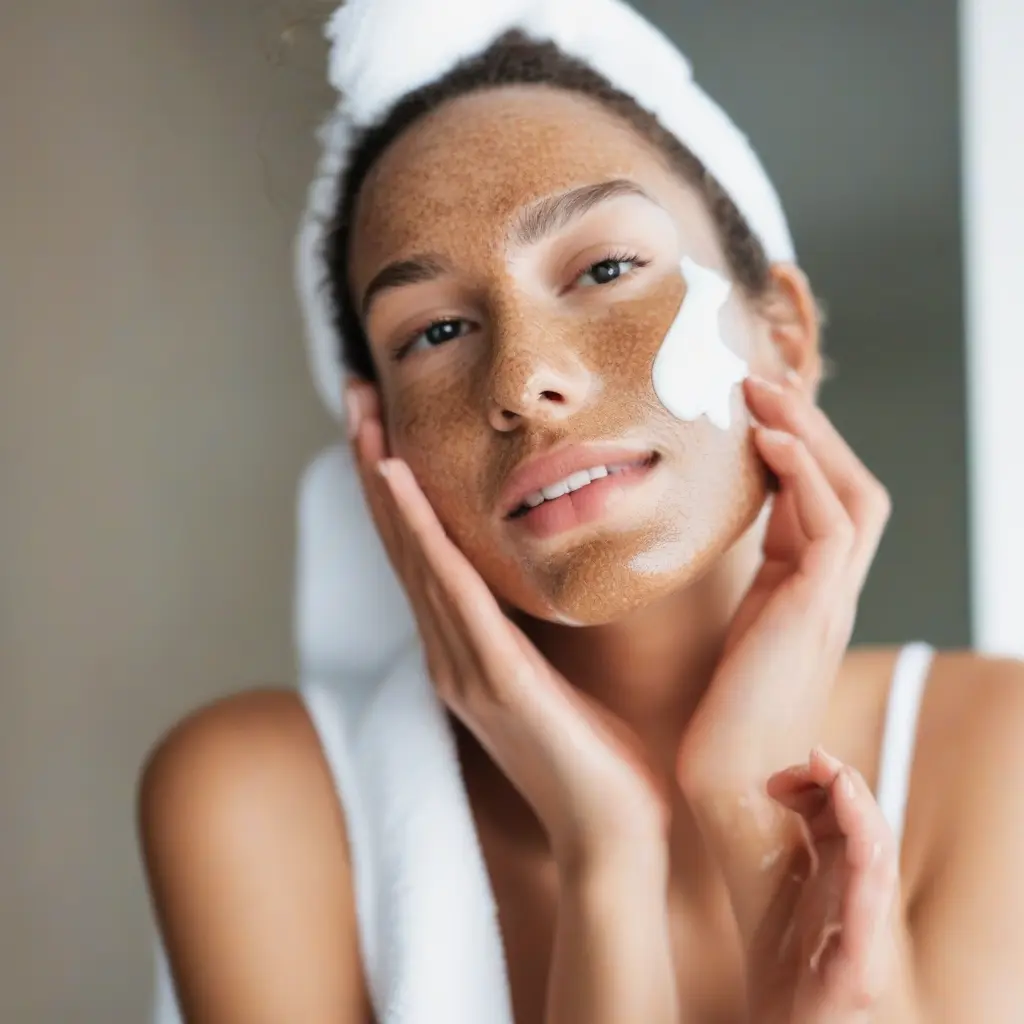
Proper application techniques are just as important as the type of sunscreen you choose. Start by applying a thin layer evenly across the face and neck, ensuring full coverage of all exposed areas. Use your fingertips to gently dab the sunscreen onto your skin rather than rubbing vigorously, which could irritate. Allow the sunscreen to absorb for about 10 to 15 minutes before heading outdoors for maximum effectiveness. Reapplying sunscreen every two hours, especially if you’re spending time outdoors, helps maintain optimal protection.
Aftercare: What to Consider Post-Treatment
Post-treatment skincare should continue to prioritize the needs of your skin. After exfoliation or peeling, keep your routine gentle to allow your skin to recover. Avoid additional active ingredients, such as retinoids or acids, which may exacerbate sensitivity. Hydration is also key; use a soothing, hydrating moisturizer to help restore your skin’s barrier function. Integrating a quality sunscreen into your routine minimizes further damage while promoting healing during this delicate recovery phase.
Common Mistakes to Avoid
Many people make mistakes regarding sunscreen usage after exfoliating treatments. One common mistake is applying sunscreen too soon after treatment, which can trap irritants and worsen sensitivity. Additionally, skipping sunscreen altogether or using expired products can lead to inadequate protection. Finally, neglecting to reapply sunscreen throughout the day, especially after sweating or swimming, reduces its effectiveness. Being mindful of these pitfalls will contribute to better skin health and protection.
Sunscreen and Different Skin Types
Understanding your skin type can guide you in selecting the appropriate sunscreen after exfoliation. For oily skin, lightweight gel sunscreens can provide ample protection without exacerbating shine. Those with dry or sensitive skin might benefit from creamier formulations that offer added hydration. Normal skin individuals can opt for a balance of both. Furthermore, individuals with specific skin concerns, such as acne or rosacea, should seek sunscreens tailored for these conditions to avoid irritation.
The Importance of Year-Round Sun Protection
Sun protection should be a year-round concern, not just a summer one. UV rays can damage the skin in all seasons, making daily sunscreen application crucial, especially following treatments like exfoliation. The accumulation of sun exposure can contribute to long-term skin issues, including aging and skin cancer. Incorporating sunscreen into your daily routine, regardless of the weather, allows for better protection against UV damage while supporting overall skin health.
Conclusion
Using sunscreen after exfoliating or peeling treatments is essential for maintaining skin health and preventing damage. Understanding optimal timing, selecting the right products, and applying them correctly can protect sensitive skin effectively. Make sunscreens an integral part of your post-treatment care routine to ensure your skin heals correctly while protecting against harmful sun exposure.