Lather is a common feature in many face washes, often associated with a feeling of cleanliness and effectiveness. But how crucial is it really? Understanding the science behind lather can clarify its role in skincare. This article delves into the components that create lather, its potential benefits for the skin, and whether having a rich lather is necessary for proper cleansing. We will also explore various types of face washes and their effectiveness, offering insights into how you can choose the best product for your skin type.
What Causes Lather in Face Washes?
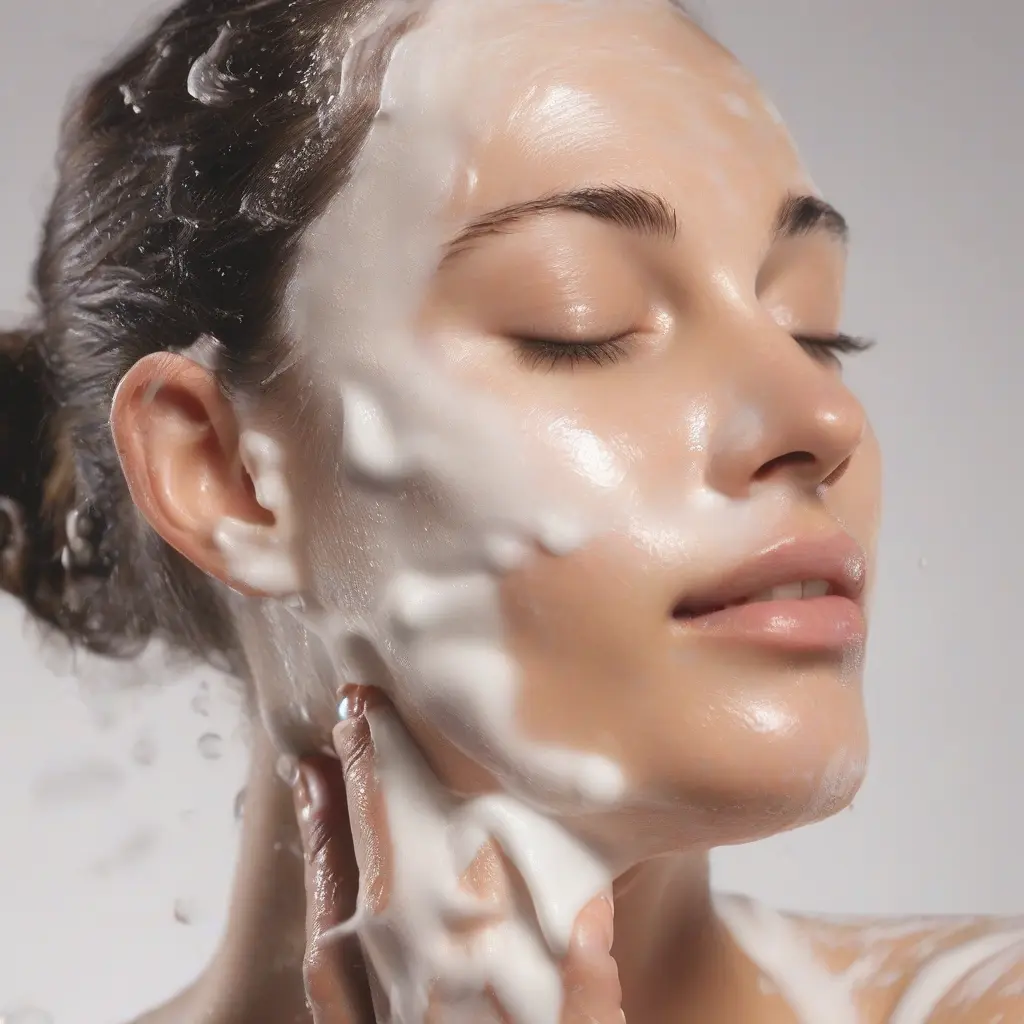
Lather is primarily created through surfactants, which are key ingredients found in face washes. Surfactants reduce the surface tension of water, allowing it to spread and penetrate dirt and oils on the skin. When agitated, these surfactants generate bubbles, creating that desirable foamy texture. Different types of surfactants can produce varying levels of lather, making them crucial not just for cleansing but also for user experience. Understanding the types of surfactants used can help consumers make informed choices regarding the products best suited for their skin.
Does Lather Indicate Cleaning Power?
Many consumers associate rich lather with higher cleaning efficacy. However, it’s important to note that lather does not always equate to better cleaning performance. The effectiveness of a face wash relies more on the chemical composition of its ingredients rather than the amount of foam produced. While a good lather can aid in visual reassurance of cleansing, it is not a definitive indicator of a product’s ability to exfoliate, remove impurities, or balance the skin’s oils. Understanding this can help consumers look beyond the foam and focus on the formulation.
Types of Surfactants: An Overview
There are several types of surfactants, each contributing differently to the lathering and cleansing process. Anionic surfactants are generally strong latherers and are commonly found in shampoos and body washes. Cationic surfactants, while possessing mild anti-bacterial properties, tend to produce less lather but provide conditioning benefits. Non-ionic surfactants offer a balance of cleansing power with milder action, making them suitable for sensitive skin. Understanding these categories helps consumers to select products aligned with their skin needs without solely relying on foam levels.
The Role of Lather in User Experience
The sensory experience of using a product significantly influences consumer choices, and lather plays a pivotal role in this aspect. Many consumers find that a rich, foamy lather enhances the feeling of cleanliness and satisfaction during and after the application. This perception can lead to a psychological boost, making users feel they are investing in effective skincare. While some products do clean effectively without abundant lather, it’s essential to acknowledge that some consumers prefer a foamy texture that lathers sufficiently.
Benefits of Lather in Cleansing Products
Lathering can offer several benefits, mainly through its ability to help distribute the cleansing agents evenly across the skin. Improved distribution results in better cleansing, effectively lifting oils, dirt, and makeup. Moreover, a foamy layer can create a barrier that prevents impurities from re-depositing on the skin while rinsing. This process enhances the overall cleansing experience and can contribute to achieving softer, smoother skin post-wash. Therefore, while lather itself is not the core of cleansing effectiveness, it does facilitate the process in specific formulations.
Face Wash Formulations Without Lather
Some face washes, particularly gel-based and cream formulations, may produce minimal lather yet remain highly effective. These products often utilize gentler surfactants or rely on alternative cleansing agents, making them suitable for sensitive or dry skin types. Formulations such as oil cleansers or micellar waters cleanse effectively without foaming, highlighting that an absence of lather doesn’t imply poor cleansing performance. Consumers should consider their skin type and preferences when selecting products, recognizing that lather levels can vary significantly based on formulation.
Choosing the Right Face Wash for Your Skin Type
When selecting a face wash, individual skin type is paramount. Oily skin typically benefits from foaming cleansers rich in lather, as these can help manage excess sebum and prevent breakouts. Conversely, dry or sensitive skin types may require cream-based cleansers with minimal lather, focusing on gentle hydration rather than stripping natural oils. Additionally, individuals with acne-prone skin should consider products containing specific active ingredients, such as salicylic acid, combined with appropriate surfactants. Understanding one’s unique skin needs is essential to achieve the best skincare results.
Environmental Impact of Face Washes and Lather
The environmental impact of skincare products is an increasingly important consideration for consumers. Some surfactants in face washes can contribute to water pollution and ecosystem disruption, leading to a growing demand for sustainable alternatives. Eco-friendly formulations often prioritize biodegradable ingredients that may produce less lather but are safer for aquatic life. By making informed choices about the products they use, consumers can reduce their ecological footprint while maintaining effective skincare routines. Thus, being aware of ingredients not only benefits personal health but also contributes to overall environmental well-being.
Common Myths About Lather in Face Washes
Several myths surrounding lather in face washes can misguide consumers. A prevalent misconception is that more lather means better cleaning, causing individuals to choose products solely based on foam levels. Additionally, some believe that all natural products lack lather, when in fact, they often contain alternative surfactants capable of creating foam. Another myth is that harsh surfactants are the only way to achieve a thorough cleanse, which is misleading. Understanding these misconceptions can help consumers make more educated choices regarding their skincare products.
Conclusion
In conclusion, while lather plays a significant role in user experience and perception of cleanliness, it is not the sole determinant of a face wash’s effectiveness. The formulation and active ingredients matter more for achieving optimal skin health. By understanding the science behind lather and recognizing that not all effective cleansers produce abundant foam, consumers can make better informed decisions tailored to their skin type and environmental concerns.