As pre-teens approach puberty, their skin undergoes significant changes, making proper skincare essential. A good moisturizer can help maintain skin hydration, prevent dryness, and even reduce the likelihood of breakouts. However, it’s important to choose products specifically designed for young skin to avoid irritation or adverse reactions. In this article, we will explore safe and effective moisturizers suitable for pre-teens, explain their benefits, and offer tips on how to select the right products for your child’s unique skin type.
Understanding Pre-Teen Skin
Pre-teen skin is typically softer and more sensitive than adult skin, making it essential to choose products that cater specifically to this age group. During this transitional phase, skin may experience hormonal fluctuations, leading to increased oil production or dryness. Understanding these changes helps in selecting appropriate moisturizers that address specific needs, such as oil control for oily skin or extra hydration for dry skin. Choosing the right moisturizer can also set the foundation for healthy skincare habits as children grow.
Why Moisturizers Are Important
Moisturizers play a critical role in keeping pre-teen skin healthy and balanced. They help lock in moisture, ensuring the skin remains hydrated throughout the day. This is particularly vital as dry or flaky skin can make young individuals feel self-conscious, especially during social interactions. Additionally, moisturizing regularly helps to build the skin’s natural barrier against environmental irritants, providing protection from pollution and UV exposure. Establishing a moisturizing routine can also prevent potential skincare issues in the future.
Key Ingredients to Look For
When choosing moisturizers for pre-teens, it’s crucial to focus on safe and effective ingredients. Look for products containing glycerin and hyaluronic acid, both of which are excellent humectants that draw moisture into the skin. Ingredients like aloe vera and chamomile can soothe irritation, while non-comedogenic oils such as jojoba or squalane provide hydration without clogging pores. Avoid fragrances and dyes, as these can cause allergic reactions or irritation. Prioritizing gentle formulations helps promote healthy skin.
Top Moisturizer Recommendations for Pre-Teens
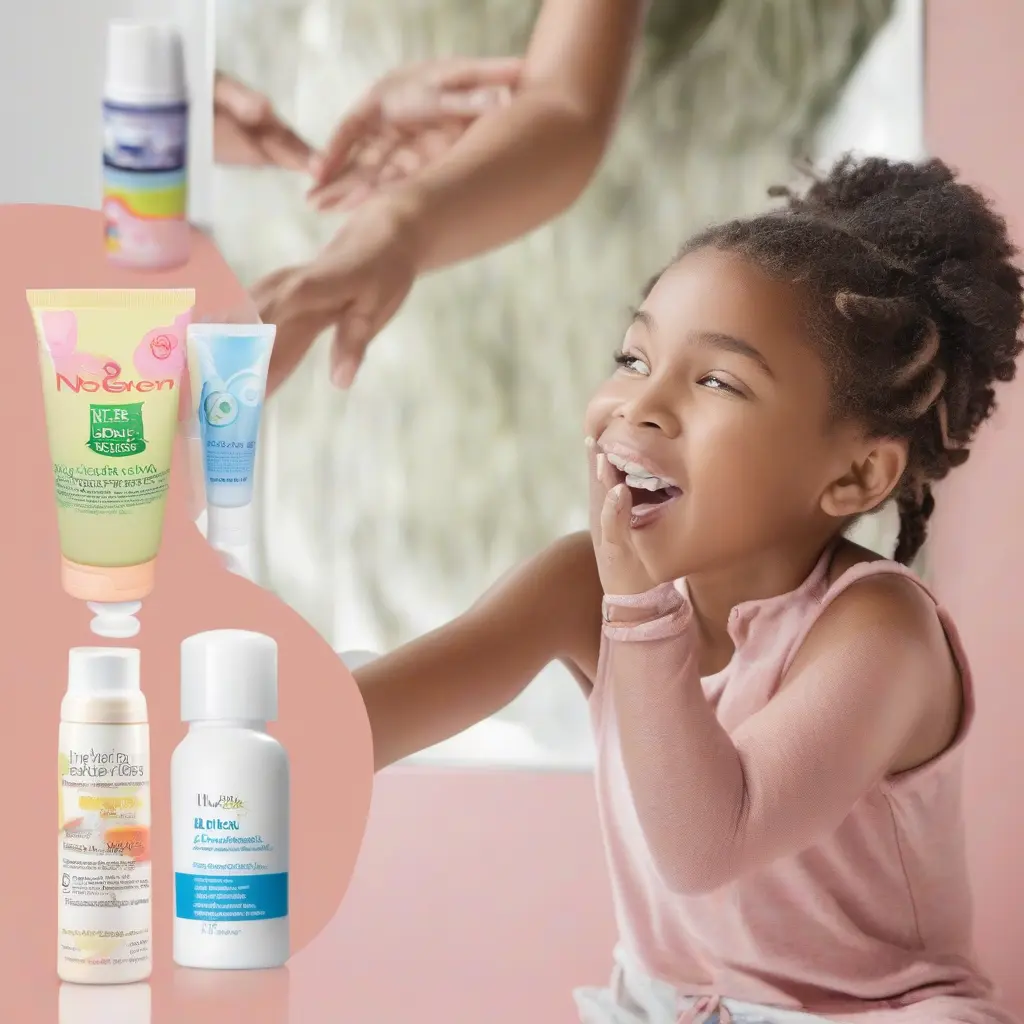
Several moisturizers stand out as ideal for pre-teen skin due to their gentle formulas and proven effectiveness. Cetaphil Daily Hydrating Lotion is lightweight and non-irritating, making it suitable for sensitive skin. Neutrogena Hydro Boost Gel Cream is another excellent choice, featuring hyaluronic acid for intense hydration without greasiness. Additionally, CeraVe Moisturizing Cream includes essential ceramides to help restore the skin barrier. These products provide hydration without overwhelming young skin, striking the right balance between moisturizing and protecting.
How to Apply Moisturizer Properly
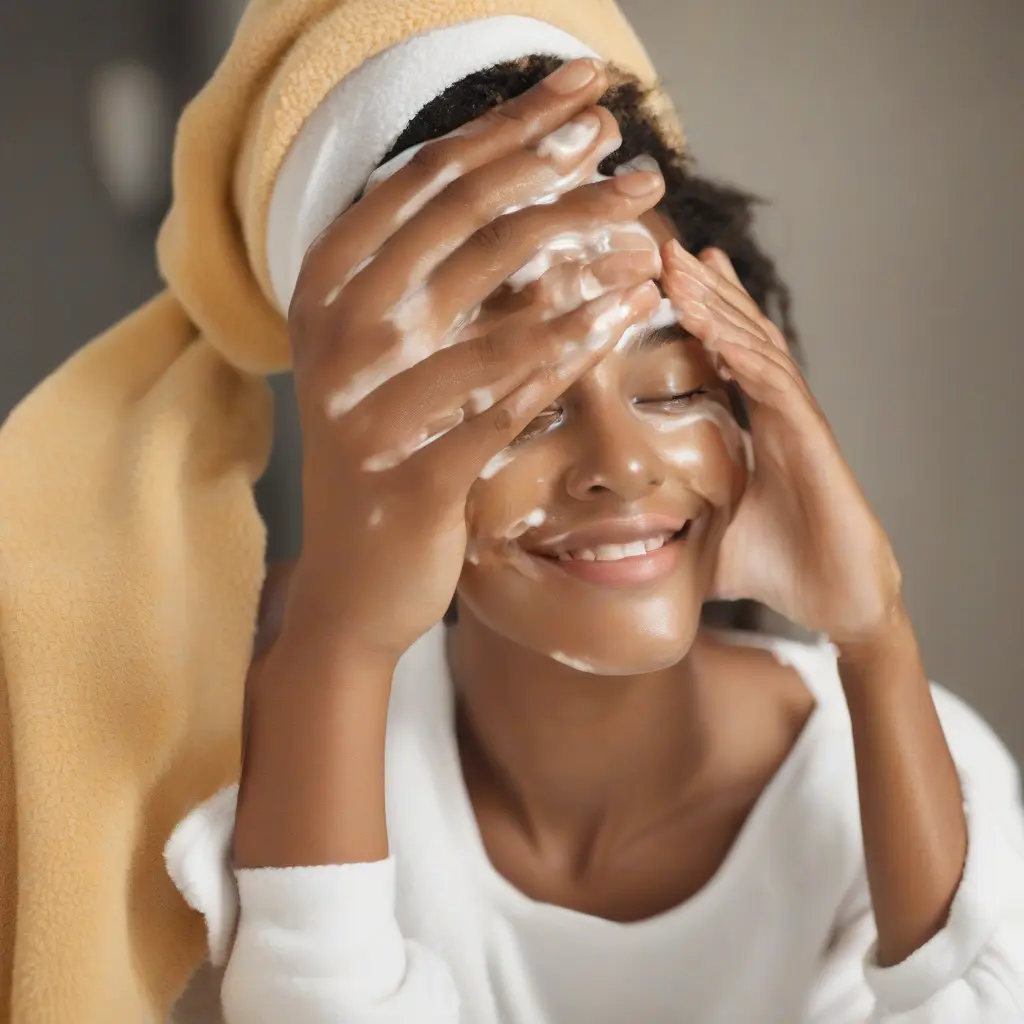
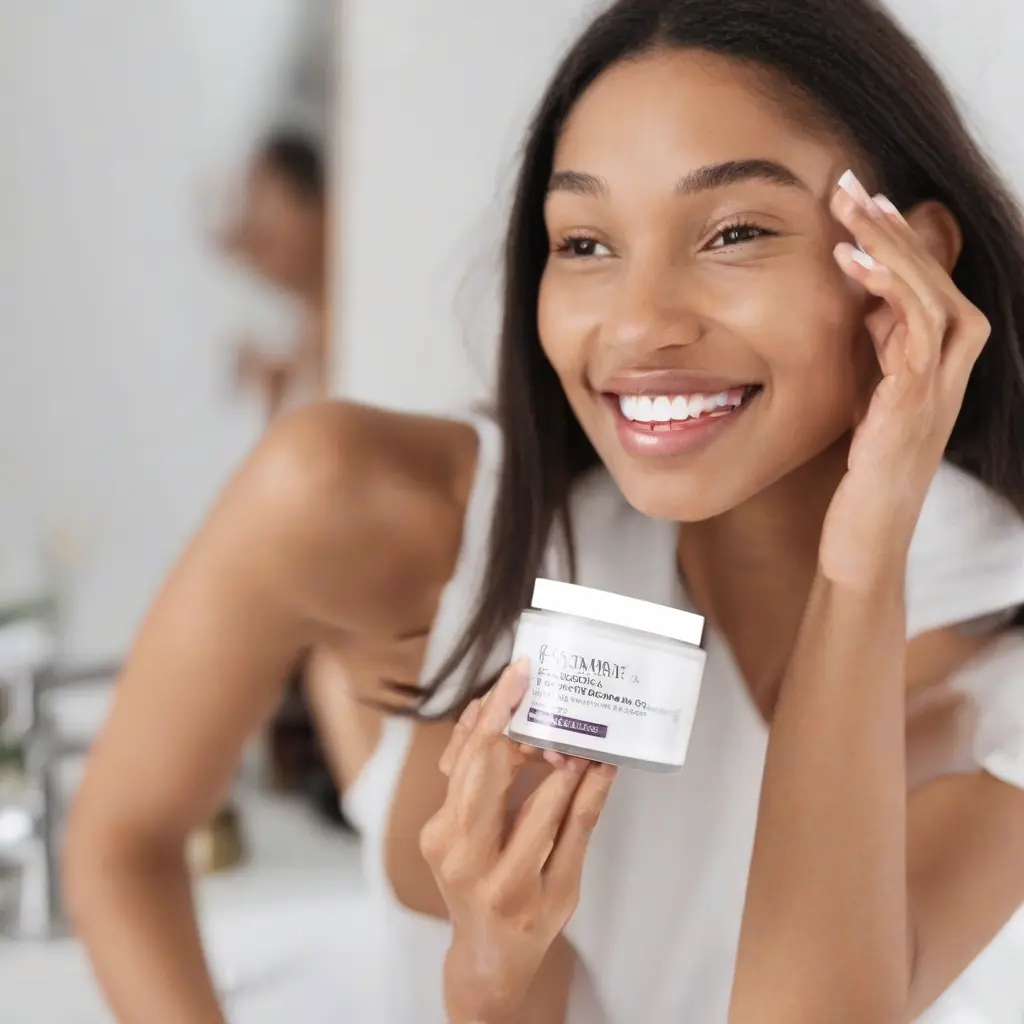
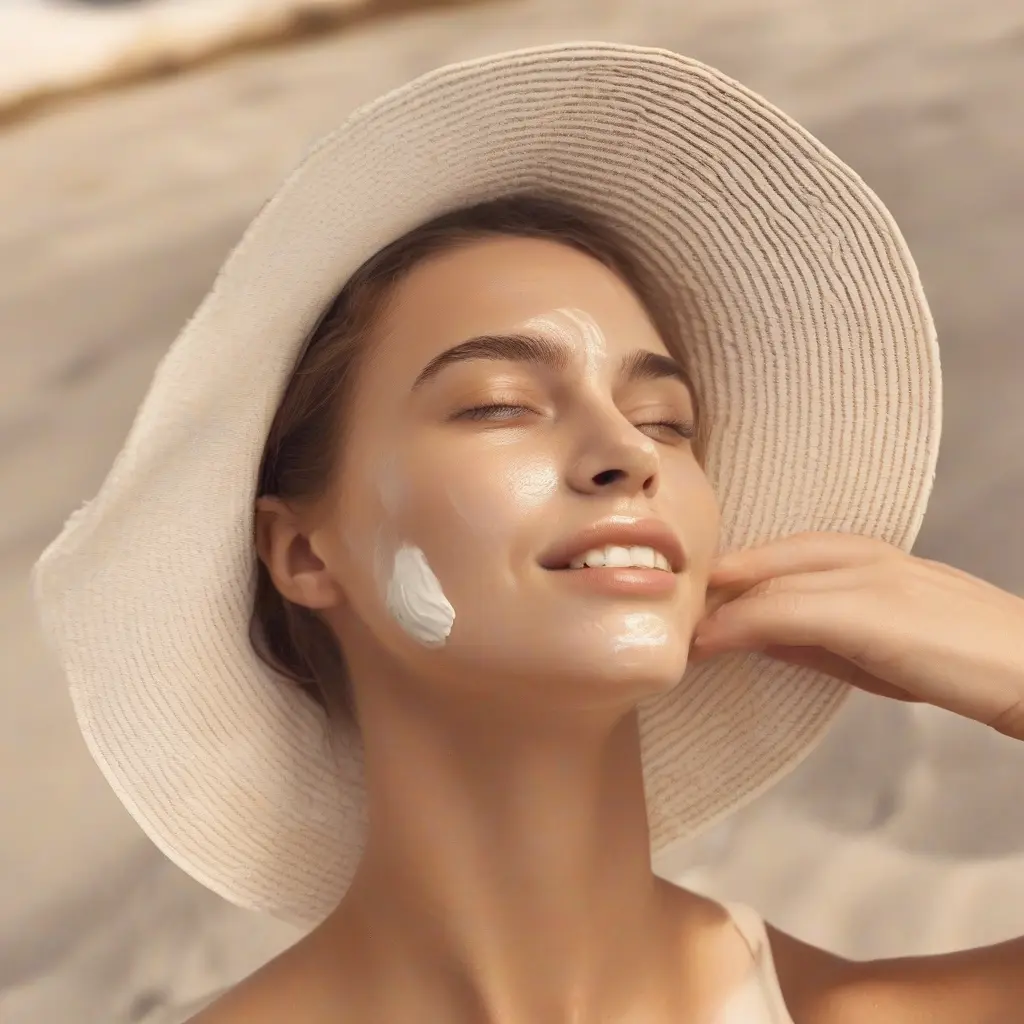
Applying moisturizer correctly can enhance its effectiveness. Begin with cleansed skin to remove dirt and impurities. After washing the face, gently pat it dry, leaving some moisture on the skin. Apply a pea-sized amount of moisturizer to the fingertips and gently massage it into the skin using upward motions. It’s best to apply moisturizer while the skin is still slightly damp, as this helps seal in hydration. Encourage pre-teens to use moisturizer twice daily—after washing their face in the morning and at night—for optimal results.
Signs Your Pre-Teen Needs a Different Moisturizer
Monitoring your child’s skin can help determine if their current moisturizer is effective. Signs that a change may be necessary include persistent dryness, flakiness, or excessive oiliness, which could indicate the product isn’t meeting their needs. Additionally, if your child experiences increased breakouts or irritation, it may be time to switch to a more suitable formula. Observing how their skin reacts to the chosen moisturizer will empower pre-teens to understand their skincare better and adapt as needed.
Importance of Sun Protection
While moisturizing is vital, integrating sun protection into your pre-teen’s skincare routine is equally important. The skin is particularly sensitive to UV radiation, which can lead to sunburn and long-term damage. Look for moisturizers that contain SPF or encourage using a separate sunscreen daily. A broad-spectrum sunscreen with at least SPF 30 offers adequate protection without clogging pores. Educating pre-teens about sun safety and the importance of sun protection fosters healthy skin habits that will benefit them for life.
Adapting Skincare Rituals As They Age
As pre-teens grow into teenagers, their skin may continue to evolve, requiring adjustments to their skincare routines. It’s important to educate them about the changing needs of their skin and how to adapt their routines accordingly. This may involve switching to more targeted treatments aimed at addressing issues like acne or oily skin. Encouraging them to explore different moisturizers and skincare products can empower them to take an active role in their skincare journey, promoting a sense of responsibility and self-care.
Conclusion
Navigating the world of skincare for pre-teens can seem daunting, but selecting the right moisturizers is a manageable task. Understanding their skin’s unique needs, opting for appropriate ingredients, and following a consistent application routine can significantly benefit young skin. As role models, parents can guide their pre-teens toward establishing healthy habits that will last a lifetime. By choosing safe and effective moisturizers, you can help build confidence in your child while nurturing their skin through these vital developmental years.