Sunburn is a common issue for many people, especially during the hotter months when outdoor activities are prevalent. Even with the application of sunscreen, it’s possible to experience burns due to improper use or insufficient protection. Understanding the immediate steps to take when you find yourself sunburned can make a significant difference in discomfort levels and recovery time. It’s essential to remain calm and follow effective first aid practices, so the impact of sunburn can be minimized and healing facilitated.
Understand the Severity of Your Sunburn
Before taking any action, assess the severity of your sunburn. Sunburns are generally categorized as first-degree, second-degree, or third-degree burns. First-degree burns manifest as red, painful skin without blisters, while second-degree burns include blisters and deeper skin damage. Third-degree burns are severe and may require immediate medical attention. Recognizing the type and severity of your sunburn can help guide your first aid response effectively.
Cool Down Your Skin Immediately
The first step in treating sunburn is to cool down the affected area as soon as possible. Immerse yourself in cool water or take a cool shower to help alleviate heat from the skin. If a bath is not an option, apply cold compresses soaked in cool water to the sunburned area. Avoid using ice directly on the skin, as it can cause further irritation. Cooling the skin can significantly reduce inflammation and discomfort.
Stay Hydrated to Aid Recovery
Hydration is crucial when dealing with sunburn as the body loses moisture through damaged skin. Ensure you drink plenty of water to help replenish fluids lost during exposure. Consuming hydrating fruits like watermelon can also aid in recovery. Balanced hydration supports the healing process and prevents further complications, such as dehydration. Aim for at least 8-10 glasses of water daily, especially in warm weather.
Apply Soothing Aloe Vera Gel
Aloe vera is well-known for its soothing and healing properties, making it an effective treatment for sunburn. After cooling your skin, gently apply pure aloe vera gel to the affected areas. This natural remedy helps to hydrate the skin, reduce inflammation, and relieve pain. If possible, choose a product that contains at least 99% aloe vera to maximize its benefits. Avoid lotions with added fragrances or alcohol, as they can further irritate the skin.
Use Over-the-Counter Pain Relievers
Taking over-the-counter pain relief medications can alleviate discomfort associated with sunburn. Nonsteroidal anti-inflammatory drugs (NSAIDs) such as ibuprofen or aspirin can help reduce pain and inflammation effectively. Follow the dosage instructions on the label or consult a healthcare professional if you’re unsure. It’s important to avoid giving aspirin to children and opt for alternative options, like acetaminophen, to manage pain without risking potential side effects.
Moisturize the Affected Area
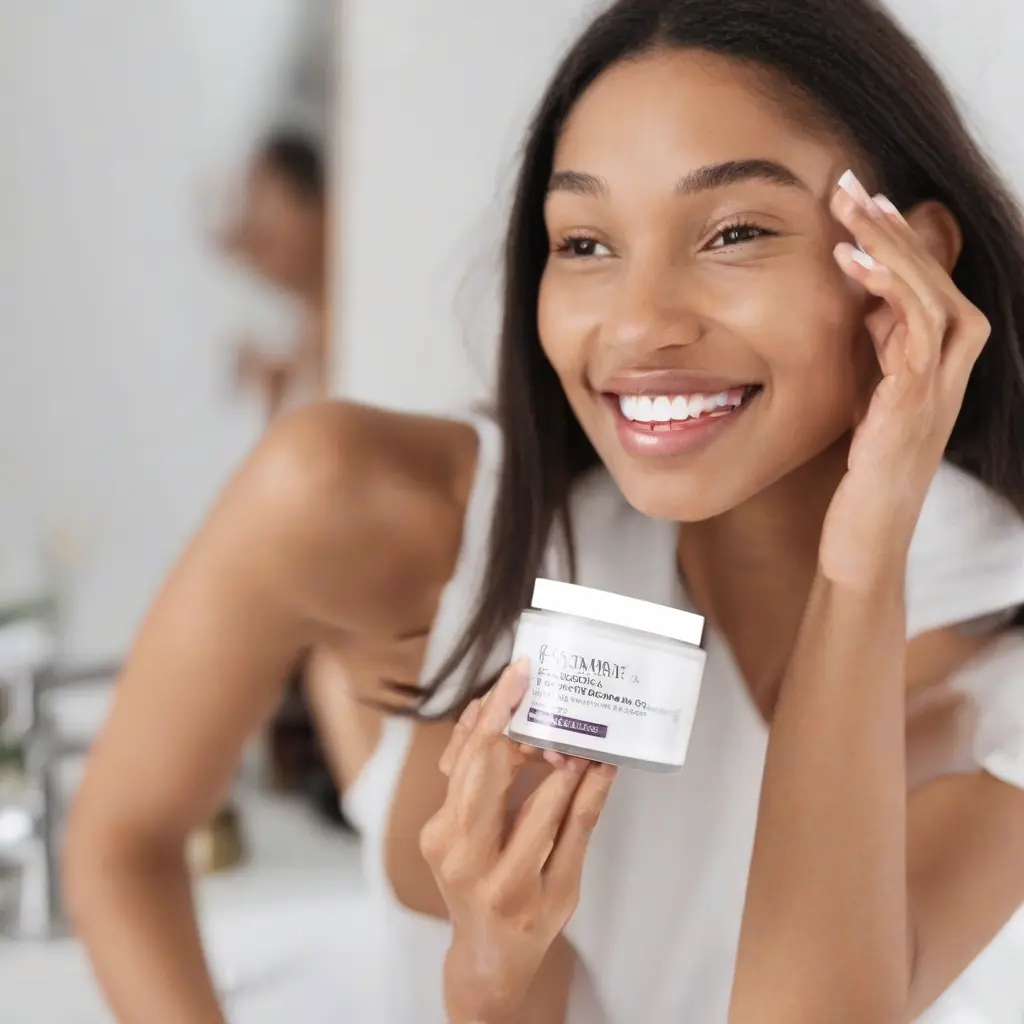
After cooling your skin and treating pain, it’s essential to keep the affected area moisturized. Dry skin may lead to peeling and additional discomfort as it heals. Use a gentle, hydrating lotion that is fragrance-free to avoid irritation. Look for products with ingredients like glycerin or hyaluronic acid, which can help retain moisture. Applying these products multiple times a day can significantly improve the healing process.
Avoid Further Sun Exposure
Once sunburned, it’s critical to avoid further exposure to sunlight, as this can exacerbate the condition and lead to more severe damage. Cover the affected areas with loose-fitting clothing and seek shade whenever possible. If you must go outdoors, wearing a wide-brimmed hat and sunglasses can provide additional protection. Staying out of the sun gives your skin a chance to heal and reduces the risk of additional burning.
Know When to Seek Medical Attention
While most sunburns are manageable at home, you should seek medical attention if you experience severe symptoms. Signs that indicate a need for professional help include extensive blistering, severe pain, fever, chills, and signs of infection, such as pus or increased redness. Children and individuals with pre-existing skin conditions may need extra care, and it’s advisable to consult a healthcare provider if you feel uncertain about your sunburn’s severity.
Prepare for Future Sun Protection
To avoid future incidents of sunburn, it’s essential to adopt comprehensive sun protection strategies. Always apply a broad-spectrum sunscreen with a minimum SPF of 30, even on cloudy days. Reapply every two hours, or more frequently if swimming or sweating. Wearing protective clothing and seeking shade during peak sun hours, typically between 10 a.m. and 4 p.m., can also significantly reduce the risk of getting sunburned. Education on effective sun care can enhance your skin’s overall health.
Conclusion
Sunburn can be an uncomfortable experience, but understanding the appropriate first-aid measures can facilitate recovery and ease discomfort. By cooling the skin, hydrating, and applying soothing treatments, you can manage sunburn more effectively. It’s vital to remember to protect your skin in the future, ensuring a safer outdoor experience.