Finding the right moisturizer is crucial for healthy skin, particularly if you are prone to clogged pores. A moisturizer can hydrate your skin, but if it’s not the right one, it may lead to breakouts and other skin issues. Understanding the ingredients, texture, and your specific skin type can help you make informed decisions. This article aims to guide you on how to tell if your moisturizer suits your skin without clogging your pores. With essential tips and considerations, you can maintain your skin’s health and appearance.
Understanding Clogged Pores
Clogged pores occur when oil, dead skin cells, or dirt accumulate in the hair follicle, leading to blemishes or acne. Recognizing the signs of clogged pores is vital for effective skincare. Typical symptoms include blackheads, whiteheads, and uneven texture. Various factors contribute to clogged pores, including hormonal changes, improper cleansing, and unsuitable skincare products. A good starting point for preventing pore blockage is to identify products that promote clarity rather than contribute to congestion.
Key Ingredients to Look For
Choosing a moisturizer with non-comedogenic ingredients can help avoid blocked pores. Look for products that contain hyaluronic acid, glycerin, and aloe vera, which provide hydration without weighing the skin down. Additionally, consider ingredients like salicylic acid and niacinamide, which are known for their acne-fighting properties. These ingredients not only nourish the skin but also help in maintaining a clearer complexion, making them excellent choices for any moisturizer aimed at preventing clogged pores.
Avoiding Heavy Oils
Not all oils are created equal when it comes to skincare. While some oils can be beneficial, heavy oils like coconut or mineral oil can clog pores for many individuals. Instead, look for lightweight oils such as jojoba oil or argan oil, which are less likely to cause breakouts. These oils mimic the skin’s natural sebum, ensuring hydration without contributing to pore congestion. Skincare products should ideally strike a balance between moisturization and preventing oiliness.
The Importance of Texture
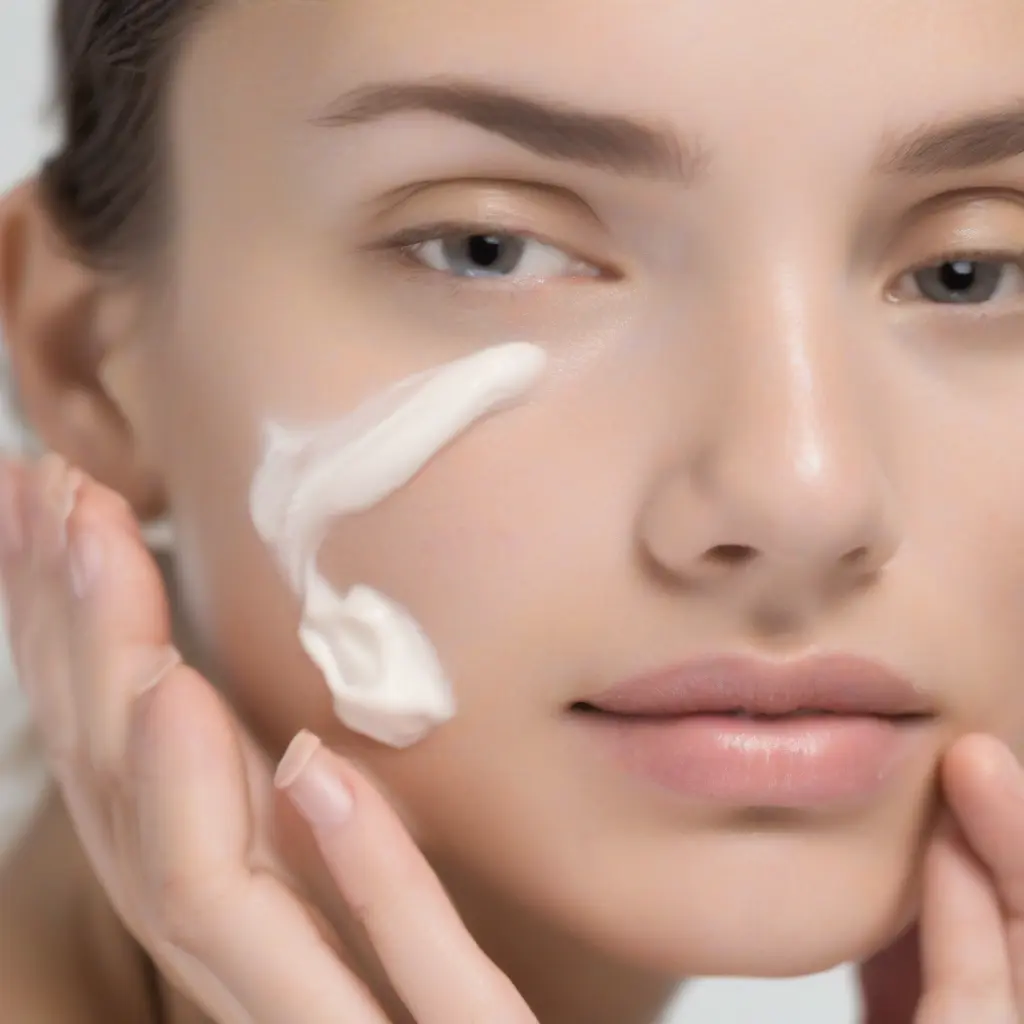
Another factor to consider is the texture of the moisturizer. Lightweight, gel-based moisturizers tend to be more suitable for oily and acne-prone skin types, as they absorb quickly and leave no greasy residue. On the other hand, cream-based formulas may be more appropriate for dry skin, but it’s important to select those labeled as non-comedogenic. Pay attention to how a moisturizer feels on your skin; a greasy or heavy feeling may indicate a formula that could contribute to clogged pores.
Patch Testing New Products
Before fully incorporating a new moisturizer into your skincare routine, conducting a patch test can help you avoid adverse reactions. Apply a small amount of the product to a discreet area of skin, such as behind your ear or along your jawline. Wait for 24–48 hours to see if any irritation or breakouts occur. This method can save you time and trouble, ensuring that the moisturizer you select doesn’t contribute to pore clogging or additional skin issues.
Seeking Professional Opinions
If you’re uncertain about which moisturizer is right for your skin type, consider consulting a dermatologist. A professional can provide personalized advice, taking into account your skin’s unique needs and issues. They can recommend suitable products or ingredients that align with your skincare goals. Moreover, a dermatologist can help you understand how lifestyle factors influence skin health, allowing for comprehensive solutions tailored specifically to you.
Balancing Moisturizer Use with Exfoliation
Maintaining a proper exfoliation routine is essential for clear skin. Exfoliating helps remove dead skin cells that can clog pores and allows your moisturizer to penetrate more effectively. However, finding the right balance is crucial; over-exfoliating can irritate the skin and lead to increased oil production. Aim to exfoliate 1-3 times a week, based on your skin type, and pair this with suitable moisturizers to help maintain clarity and hydration.
Choosing the Right Formula for Your Skin Type
Understanding your specific skin type is crucial in selecting a moisturizer that prevents clogged pores. Oily skin types may benefit from oil-free or gel-based moisturizers, while dry skin typically requires richer cream formulas. Combination skin may require different products in different areas of the face. Recognizing your skin’s unique needs will enable you to choose products that provide hydration without contributing to congestion in your pores.
Keeping It Simple with Ingredients
A shorter ingredient list often indicates a more straightforward, gentler product. When selecting a moisturizer, choose products with fewer synthetic additives, fragrances, or parabens, which can aggravate sensitive skin or lead to pore-clogging. Simplicity is key; fewer ingredients increase the likelihood of compatibility with your skin. Focus on essential skincare constituents that boost hydration and skin health while remaining free from potential irritants.
Monitoring Your Skin’s Response
Paying attention to how your skin responds to a moisturizer can offer valuable insights into its suitability. Keep an eye out for changes such as increased oiliness, breakouts, or a general feeling of discomfort. If you notice any of these signs, it may be time to reassess your product choice. Regularly evaluate your skincare routine and be willing to switch products if another moisturizer better meets your needs for clear, healthy skin.
Conclusion
Selecting a moisturizer that is friendly to clogged pores requires attention to ingredients, texture, and your skin type. By being mindful of these factors, you can achieve healthy hydration without compromising your skin’s clarity. Testing products and consulting professionals can further ensure optimal results. Ultimately, making informed choices allows you to enjoy the benefits of moisturizer while preventing unwanted skin issues.