Finding the perfect moisturizer for oily skin can be a daunting task. Many people with oily skin often mistakenly believe they should avoid moisturizers entirely to prevent excess shine and breakouts. However, hydration is essential for maintaining skin health, even for those with oily skin. The key lies in choosing the right ingredients that hydrate without adding unnecessary oil. This guide will explore various moisturizing ingredients that are suitable for oily skin, focusing on their benefits, how they work, and how to incorporate them into your skincare routine.
Understanding Oily Skin
Oily skin is characterized by an overproduction of sebum, leading to a shiny appearance and an increased likelihood of breakouts. Understanding the underlying causes, such as genetics, hormone levels, and lifestyle choices, is essential for managing this skin type effectively. Oily skin tends to be common in adolescents and young adults, though it can persist into adulthood. Those with oily skin often struggle with issues like large pores and acne, making a well-rounded skincare regimen crucial in maintaining balance and overall health.
The Importance of Moisturizing
Many individuals with oily skin might question the need for moisturizing, often associating it with worsening their skin condition. However, moisturizing is vital for maintaining the skin’s barrier function and preventing dehydration. Even oily skin can lack moisture, leading to an imbalance that may cause even more oil production. The right moisturizing ingredients can help control sebum production, leading to healthier, more manageable skin. Therefore, selecting the appropriate moisturizer is essential to support the skin’s natural functions without adding excess oil.
Hyaluronic Acid: The Hydration Hero
Hyaluronic acid is a standout ingredient for oily skin due to its ability to hold up to 1,000 times its weight in water. This powerful humectant draws moisture to the skin without adding any oil, making it ideal for hydrating oily skin types. It not only provides hydration but also helps improve skin texture by reducing the appearance of fine lines and wrinkles. Incorporating products with hyaluronic acid can leave your skin feeling plump and refreshed while maintaining a non-greasy finish, making it a staple in oily skin care routines.
Glycerin: A Moisture Magnet
Glycerin is another excellent humectant that works similarly to hyaluronic acid by attracting moisture to the skin. It helps create a protective barrier that locks in hydration while preventing transepidermal water loss. Suitable for all skin types, glycerin helps to soothe and soften the skin, making it especially beneficial for those with oily skin who might experience sensitivity due to acne treatments. By incorporating glycerin-based products, you can achieve skin that feels hydrated without feeling greasy or heavy.
Niacinamide: Balancing Oil Production
Niacinamide, also known as vitamin B3, is a multifunctional skincare ingredient that not only hydrates but also helps regulate oil production in the skin. This makes it particularly beneficial for those with oily or combination skin. It supports the skin’s moisture barrier, enhances texture, and even improves the appearance of enlarged pores. By reducing inflammation and redness, niacinamide can aid in the management of acne-prone skin while maintaining hydration levels, setting a balanced complexion.
Aloe Vera: Nature’s Soothing Moisturizer
Aloe vera is a natural ingredient known for its soothing and hydrating properties, making it an excellent choice for oily skin. It has a lightweight texture that absorbs easily without clogging pores, providing hydration where it’s needed most. Aloe vera also contains antioxidants and vitamins beneficial for skin health, helping to reduce inflammation and promote healing in acne-prone skin. Incorporating aloe vera into your skincare routine can lead to a refreshed and balanced complexion, promoting overall skin wellness.
Squalane: Lightweight and Non-comedogenic
Squalane is a lightweight, oil-derived ingredient that closely resembles the skin’s natural lipids, making it an excellent moisturizer for oily skin. It hydrates without leaving a greasy residue, effectively balancing the skin’s moisture levels. Squalane also offers antioxidant properties and can help soothe irritation, making it a suitable option for those with acne-prone skin. By using squalane in your routine, you can achieve hydration without the fear of clogged pores, fostering a healthier skin environment.
Oil-Free Moisturizers: A Great Option
When selecting a moisturizer for oily skin, opting for an oil-free formula can be highly beneficial. These moisturizers often contain lightweight, non-comedogenic ingredients that hydrate without exacerbating oiliness. Look for products labeled as ‘gel-based’ or ‘matte finish,’ as they typically absorb quickly and provide the necessary moisture without an oily after-feel. An oil-free moisturizer can help maintain a balanced complexion while effectively addressing hydration needs, making it a staple in any oily skin care regimen.
Incorporating Moisturizers into Your Routine
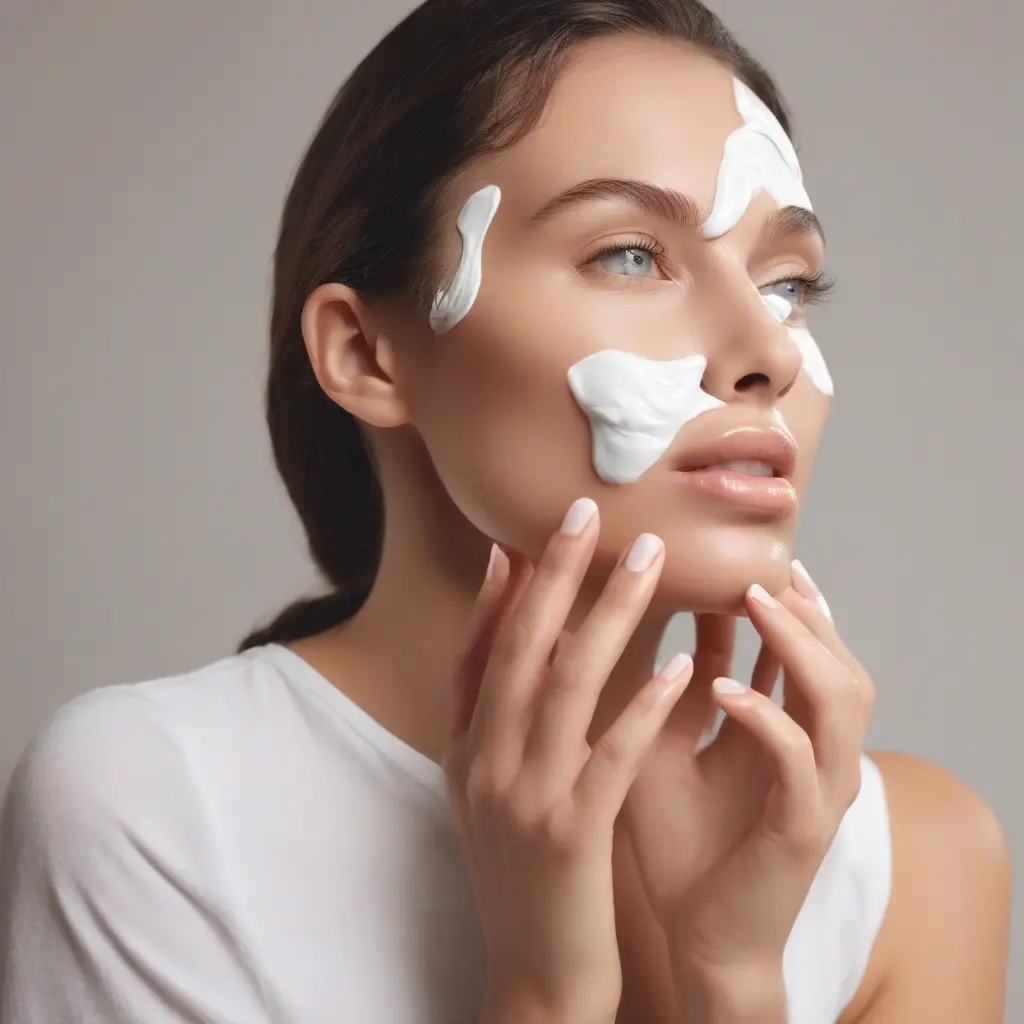
Incorporating the right moisturizer into your oily skin care routine is essential for seeing benefits. Start by cleansing your skin to remove excess oil and impurities. After cleansing, apply a toner to help balance the skin’s pH levels. Next, introduce a lightweight, hydrating moisturizer rich in ingredients like hyaluronic acid or niacinamide. Finish with sunscreen during the day to protect your skin from UV damage. Consistency is key to achieving long-term hydration and balance, ensuring your oily skin remains healthy and radiant.
What to Avoid in Oily Skin Moisturizers
When selecting a moisturizer for oily skin, it’s equally important to know what ingredients to avoid. Heavy oils, such as coconut oil and mineral oil, can clog pores and exacerbate oiliness. Additionally, products containing alcohol can cause dryness, leading to a cycle of increased oil production. Look for non-comedogenic labels, as these are specifically formulated to not block pores. By steering clear of these ingredients, you can maintain a healthier complexion while still enjoying the benefits of adequate moisturization.
Conclusion
Choosing the right moisturizing ingredients is crucial for those with oily skin to maintain the skin’s hydration and balance. By opting for lightweight, non-comedogenic ingredients such as hyaluronic acid, glycerin, and niacinamide, you can effectively reduce excess oil while ensuring that your skin remains hydrated. Avoiding heavy oils and certain alcohols can further enhance your skincare routine, leading to a healthier, clearer complexion. Remember that consistency and proper product selection are key in achieving the desired results for oily skin.