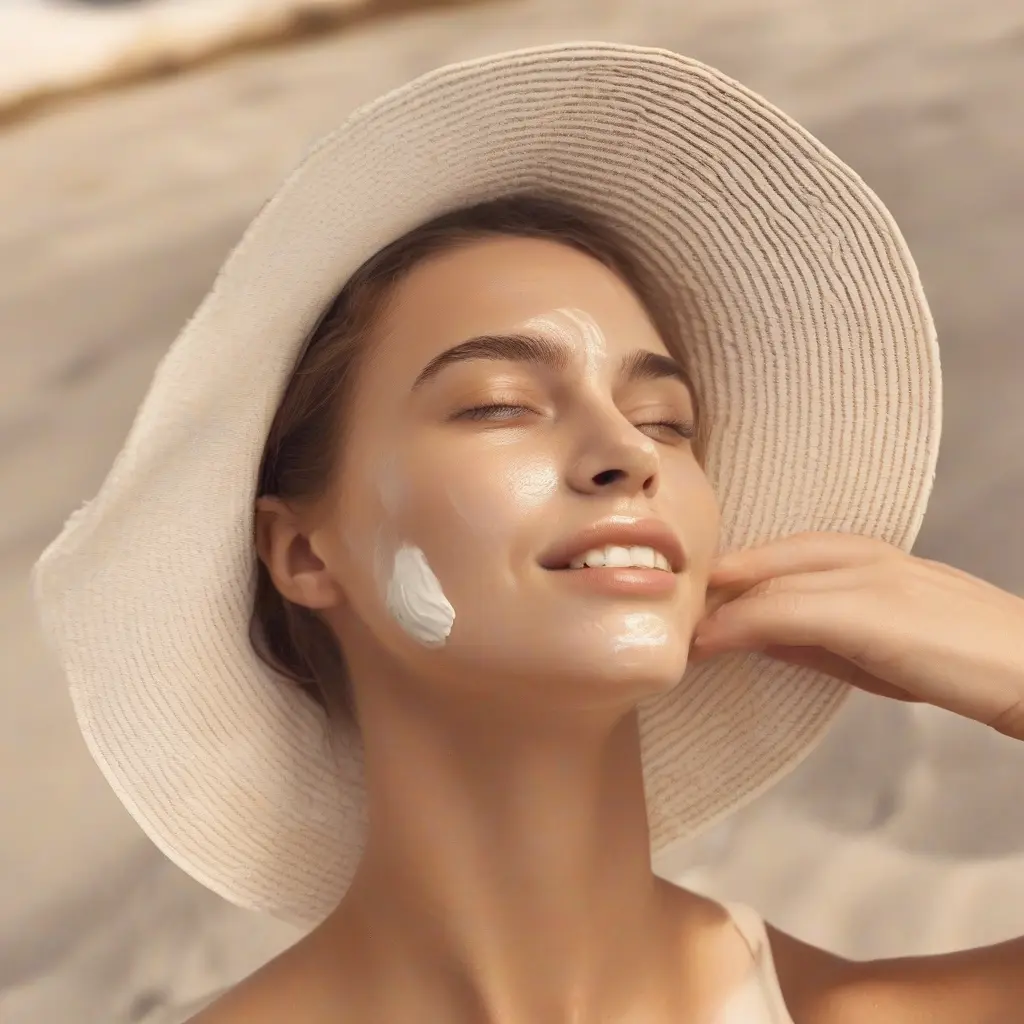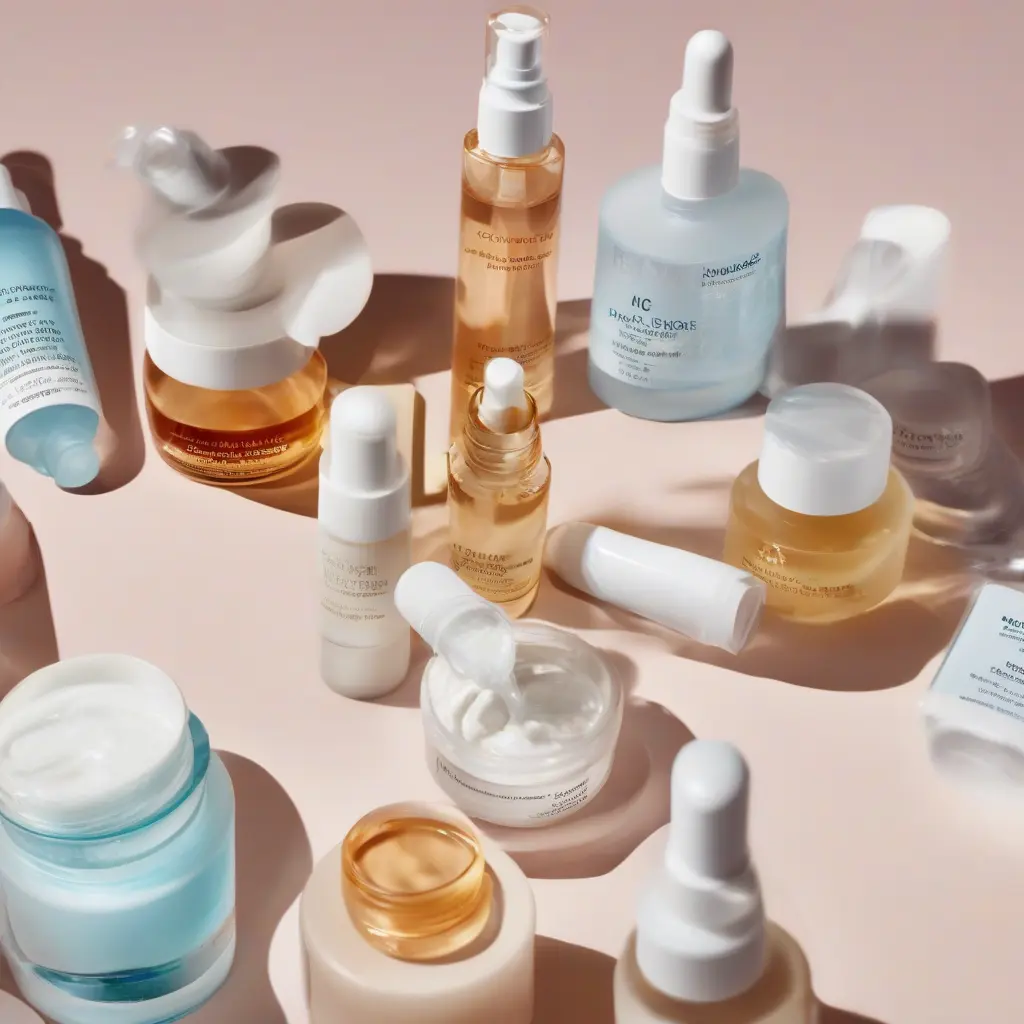
Understanding the difference between moisturizers and hydrating serums is essential for effective skincare. Both products are designed to maintain skin health, but they serve distinct purposes and can have different ingredients and textures. Knowing when and how to use each can greatly influence your skincare routine. This article will explore the functions of moisturizers and hydrating serums, helping you decide which product is best suited for your individual skin type and needs.
What Are Moisturizers?
Moisturizers are skincare products designed to hydrate the skin by forming a barrier that locks in moisture. They typically contain emollients, occlusives, and humectants. Emollients soften the skin, occlusives create a protective layer, and humectants draw moisture from the environment into the skin. This makes moisturizers ideal for dry skin types that require extra hydration and protection from external factors. They come in various forms, including creams, lotions, gels, and oils to cater to different skin types.
What Are Hydrating Serums?
Hydrating serums are concentrated formulations designed to penetrate deeply into the skin and provide immediate hydration. They often contain active ingredients like hyaluronic acid, glycerin, and vitamin C, which can attract moisture and improve skin texture. Unlike moisturizers, which primarily seal in moisture, serums offer targeted treatment solutions. Their lightweight texture allows for better absorption and can be layered under moisturizers or used alone, making them versatile for a range of skincare routines.
Key Ingredients in Moisturizers
Moisturizers are enriched with a variety of beneficial ingredients. Occlusives like petroleum jelly and beeswax help create a waterproof barrier, while humectants such as urea and lactic acid draw moisture into the skin. Additionally, many formulations include emollients like shea butter and jojoba oil that smooth and soften dry, flaky skin. Understanding these ingredients can help you choose a moisturizer suited to your skin type, whether you’re looking for something lightweight or intensely nourishing.
Key Ingredients in Hydrating Serums
Hydrating serums are often packed with potent ingredients that target hydration at a cellular level. Hyaluronic acid is a star ingredient, known for its ability to hold up to 1000 times its weight in water, making it a powerhouse for plumping the skin. Other common ingredients in these serums include aloe vera, which soothes and calms inflammation, and peptides that boost collagen production. Using a hydrating serum can effectively enhance your skincare routine, providing hydration without the heavier feel of a moisturizer.
Skin Types and Product Compatibility
Choosing between a moisturizer and a hydrating serum depends largely on your skin type. For those with oily or combination skin, a lightweight hydrating serum may suffice during warmer months, as it can provide hydration without clogging pores. Alternatively, dry or mature skin types often benefit from the added barrier provided by a moisturizer, especially during colder seasons. It’s also essential to consider how these products work together for optimal results, with serums typically applied before moisturizers.
When to Use Moisturizers vs. Hydrating Serums
Understanding when to use moisturizers versus hydrating serums can enhance your skincare efficacy. Serums are often best applied after cleansing and toning, allowing the active ingredients to penetrate deeply. Moisturizers should follow to seal in that hydration, especially in drier climates or during winter months. For those who are struggling with dehydrated skin, layering both products—applying serum first and moisturizer afterward—can offer maximum hydration and help maintain a healthy skin barrier.
Morning vs. Night Routine: The Role of Each Product
Both moisturizers and hydrating serums can be integrated effectively into both morning and night skincare routines. In the morning, lightweight hydrating serums can prepare the skin for makeup and provide a fresh look throughout the day. At night, a thicker moisturizer can help repair and nourish the skin while you sleep. Using both products at night can also bolster hydration levels, leading to a more refreshed appearance by morning. Tailoring your routine to the time of day can significantly impact overall skin health.
Potential Side Effects and Considerations
While moisturizers and hydrating serums are generally safe for use, some individuals may experience irritation depending on their skin sensitivity. Ingredients like fragrances, acids, or alcohol can cause adverse reactions, so it’s crucial to choose products that are formulated for your specific skin type. Patch testing new products can help prevent adverse effects. If you have particular skin concerns, consulting with a dermatologist can ensure that you’re selecting the right formulations for your needs.
Combining Products for Optimal Results
For those looking to maximize their skincare benefits, combining a moisturizer with a hydrating serum can yield fantastic results. The serum provides a boost of hydration while the moisturizer seals it in, leading to plump, healthy skin. This combination can also enhance the efficacy of other skincare products, such as treatments for acne or signs of aging. Developing a personalized layering technique, based on your skin’s needs, can optimize hydration and nourishment throughout the day and night.
Conclusion
Choosing between moisturizers and hydrating serums ultimately depends on your individual skin needs and preferences. Each product has unique benefits, and combining both can create a comprehensive hydration strategy. By understanding their differences, you can select the most effective products to maintain healthy, hydrated skin. Tailoring your skincare routine with these insights can ensure that your skin remains radiant and resilient.